
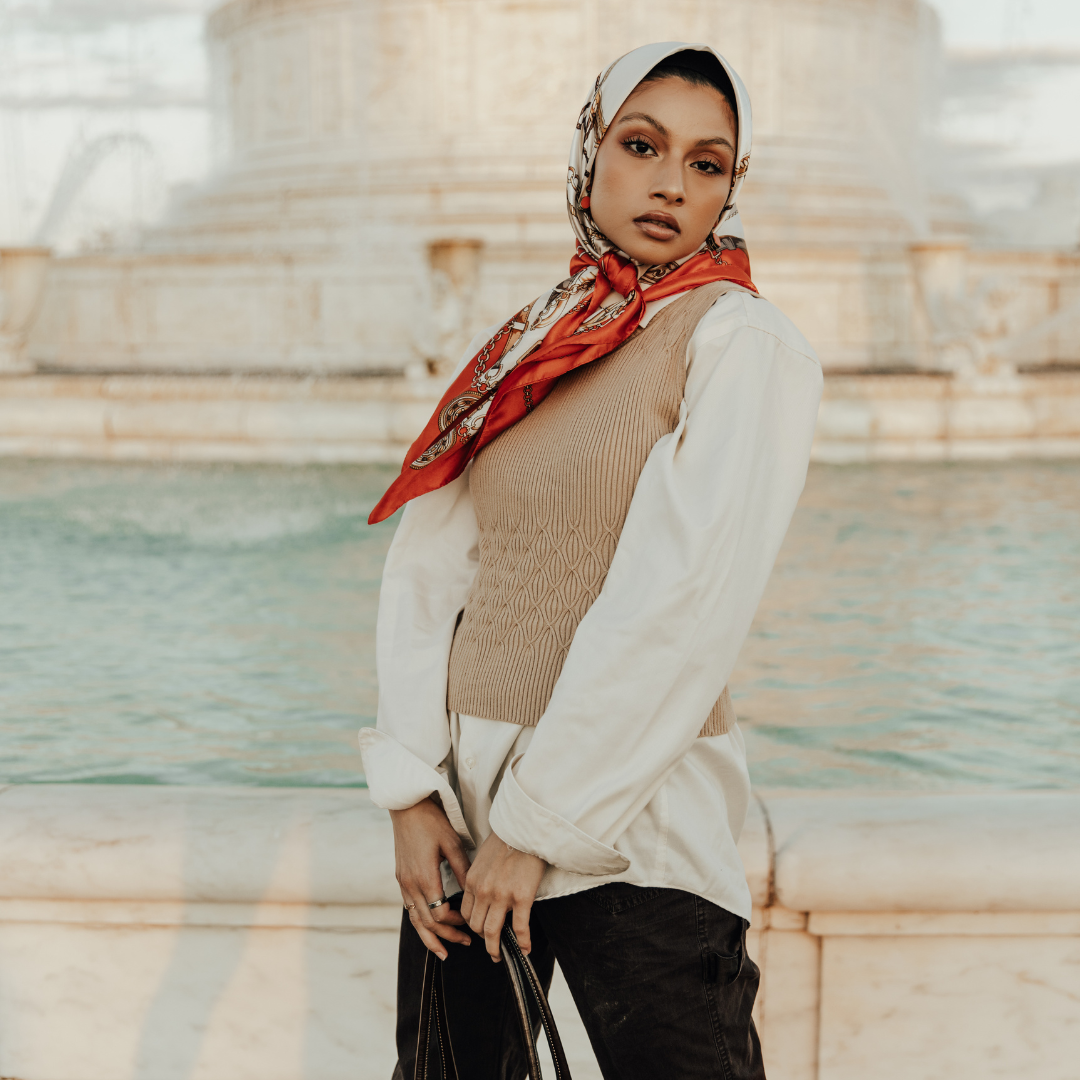
Fashion trends often mirror the values, beliefs, and traditions of the cultures from which they emerge. Clothing choices, colors, and styles reflect societal norms and historical events, making culture a powerful force shaping what becomes popular. The influence of culture on fashion trends is direct and significant, as it provides the context that designers and consumers draw from.
Cultural symbols, rituals, and identities frequently inspire designers, who adapt these elements to appeal to modern audiences. This creates a continuous exchange where culture shapes trends, and trends, in turn, can spotlight cultural awareness on a global scale.
As fashion evolves, it encapsulates cultural changes, including shifts in politics, technology, and social movements. Understanding this connection helps explain why trends vary across regions and time, revealing more than just aesthetic preferences.
The Role of Culture in Shaping Fashion Trends
Culture serves as a foundation for fashion trends by providing distinct styles, materials, and symbolism that designers draw from. It influences how traditional garments are adapted into modern wear and how cultural heritage continues to inspire innovation in the fashion industry.
Foundations of Cultural Influence on Fashion
Cultural identity shapes the colors, patterns, and fabrics popular within a region. Social customs and climate also affect garment styles and construction. When cultures interact, this leads to cultural exchange, introducing new aesthetics and techniques to the fashion industry.
For example, Japanese kimono elements have influenced Western silhouettes, while African prints have become popular globally. This blending contributes to evolving fashion trends while maintaining ties to original cultural meanings.
Traditional Attire and Modern Interpretations
Many designers incorporate traditional attire into contemporary fashion lines. This practice preserves cultural heritage while making styles accessible to wider audiences. Modern interpretations often update garment cuts, materials, or details to fit today’s fashion market without losing authenticity. Retailers and cultural brands dedicated to garments like hanfu also contribute to this movement by offering historically inspired pieces alongside modern adaptations, helping traditional clothing remain visible and relevant in everyday style.
Examples include reimagined Indian saris as dresses or Mexican embroidered motifs on casual wear. These adaptations respect tradition yet innovate within the global fashion industry, creating trends that reflect diverse cultural origins.
Cultural Heritage Reflected in Fashion
Fashion acts as a visible expression of cultural heritage, communicating identity, history, and values. Traditional garments often hold significance beyond aesthetics, linked to rituals, status, or beliefs. When cultural heritage appears in mainstream fashion, it raises awareness and appreciation for those traditions.
The use of indigenous patterns or handcrafted techniques in high fashion spotlights artisanship and preserves cultural knowledge. Fashion trends thus become a conduit for cultural storytelling and continuity amid changing consumer landscapes.
Cultural Fusion and the Evolution of Global Fashion
Fashion today reflects an intricate blend of diverse cultural elements, global connectivity, and evolving craftsmanship techniques. The blend of traditional and contemporary design philosophies shapes trends and innovations, influencing the industry at every level.
Cultural Fusion and Cross-Cultural Designs
Cultural fusion in fashion occurs when designers incorporate elements from multiple heritages into a single piece or collection. Fashion brands like Chanel have famously integrated Asian silk patterns with European haute couture techniques, creating garments that appeal to a worldwide audience.
This exchange produces hybrid styles that challenge conventional fashion norms. Cross-cultural designs often highlight distinctive motifs, textiles, or craftsmanship, such as African prints paired with Western tailoring. These blends encourage inclusivity and showcase the value of diverse cultural aesthetics in global fashion.
Influence of Globalization on Fashion
Globalization has accelerated the spread of fashion trends across continents. It allows designers to source materials from various regions and reach consumers globally through digital platforms. This interconnectedness helps smaller fashion houses compete with established brands by sharing cultural designs and innovations.
The global supply chain has increased accessibility to eco-friendly materials and craftsmanship expertise. Consequently, trends such as sustainable fashion emerge by incorporating traditional fabrics and techniques from different cultures while addressing environmental concerns.
Craftsmanship and Sustainable Innovation
Craftsmanship remains central to global fashion’s evolution, emphasizing skill and quality over mass production. Artisans who specialize in handwoven silk or embroidery contribute to sustainable fashion by preserving techniques passed down through generations.
Fashion brands increasingly prioritize eco-friendly materials and ethical production methods. Combining centuries-old craftsmanship with modern sustainability initiatives results in innovative collections that respect both cultural heritage and environmental impact, appealing to conscious consumers worldwide.
Modern Trends: Street Style, Brands, and Controversies
Fashion today reflects shifts in culture through evolving tastes and consumer habits. The rise of streetwear, the role of major brands, and ongoing debates around cultural ethics shape how people dress and what messages clothing conveys.
Impact of Streetwear and Street Style
Streetwear has moved from underground subcultures to a dominant influence in fashion. It emphasizes casual, comfortable silhouettes often inspired by skateboarding, hip-hop, and urban life. Brands like Supreme and Off-White blend art, music, and local culture into clothing, making them symbols of identity.
Street style operates as a form of personal expression but also drives mainstream fashion trends. It encourages mixing high-end pieces with everyday wear, allowing diverse cultural influences to surface quickly in public spaces and social media platforms.
Influence of Fast Fashion and Major Brands
Fast fashion brands produce trends rapidly, making styles accessible globally but raising questions about sustainability. Companies like Nike mix innovation and cultural symbolism to appeal broadly while adapting quickly to market demands.
Major fashion brands often draw inspiration from streetwear and cultural movements, but face criticism for prioritizing profit over environmental impact. The fast turnover of collections pressures customers into more consumption, which conflicts with growing calls for sustainable and ethical fashion practices.
Cultural Appropriation and Ethics
Cultural appropriation remains a contentious topic in fashion. The use of traditional patterns, symbols, or garments by brands without proper acknowledgment sparks debate about respect and exploitation.
Critics argue that some fashion brands oversimplify or misuse cultural elements, erasing their original meanings. Ethical concerns include fair compensation and representation of the communities from which these styles originate. Brands addressing these issues tend to collaborate directly with cultural groups and aim for transparency in their design process.