
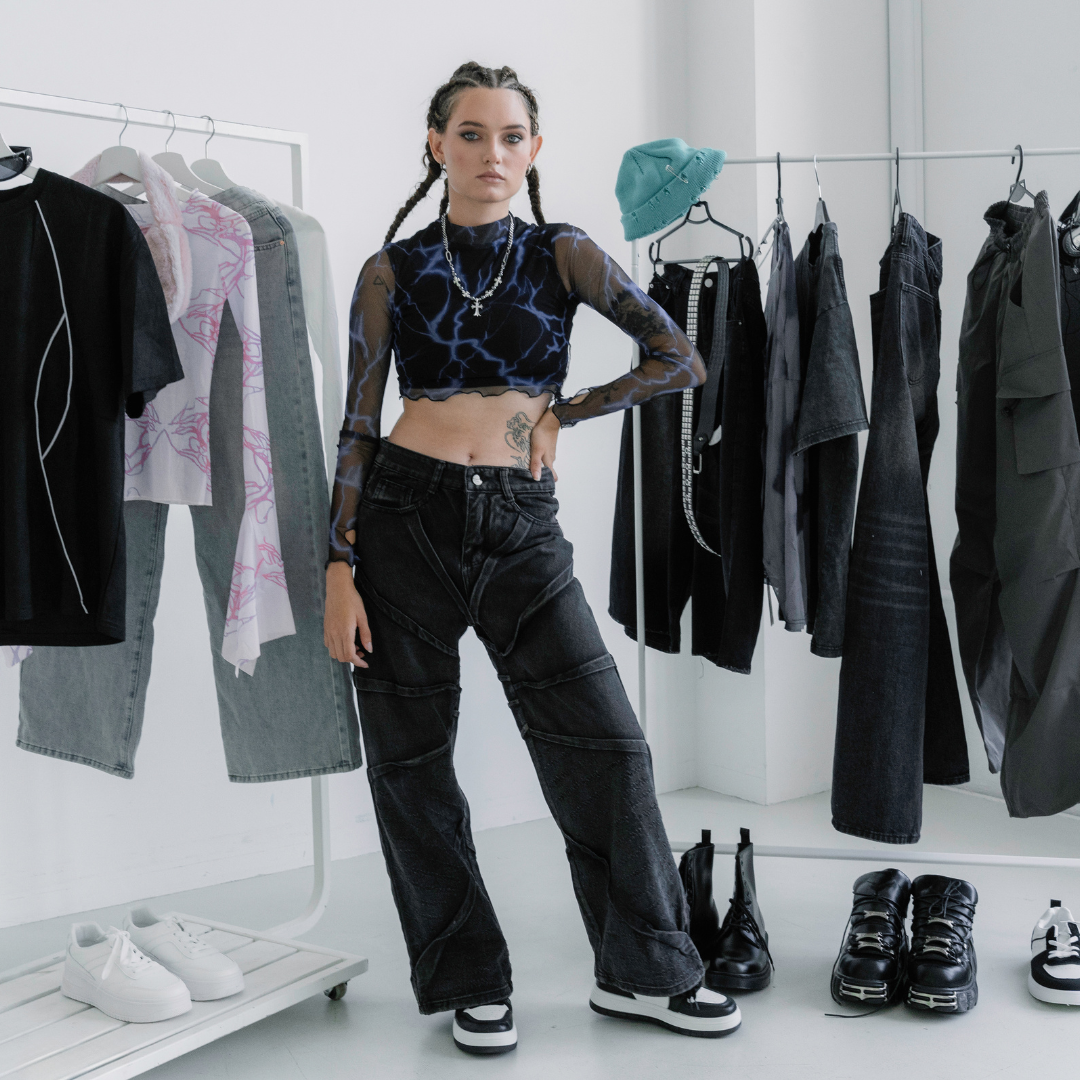
Fashion trends reflect what is popular at a given moment, often driven by designers, influencers, and the media. Personal style, however, is an individual’s unique way of expressing themselves through clothing and accessories, regardless of current trends.
The key difference is that trends are temporary and widely adopted, while personal style is consistent and rooted in personal preference. Understanding this distinction helps people make fashion choices that feel authentic rather than pressured by what others are wearing.
Many confuse following trends with having style, but true style is about selecting pieces that resonate with one’s identity. This article will explore how to recognize and nurture personal style amid ever-changing fashion trends.
Understanding Fashion Trends
Fashion trends describe specific styles, clothing, or accessories that gain widespread popularity for a period. These trends are often shaped by industry leaders, cultural shifts, and consumer behavior. They change frequently, reflecting innovation and responses to societal influences.
Definition and Characteristics of Fashion Trends
Fashion trends are temporary directions in clothing and accessories that attract mass attention. They often emerge through collections presented by designers and are quickly picked up by retailers and consumers.
Key characteristics include:
- Broad appeal: Trends capture large groups rather than individuals.
- Rapid spread: Social media and influencers accelerate trend adoption.
- Ephemeral nature: They usually last from several months to a few years.
Trends emphasize newness and visibility, focusing on what is popular in the moment rather than lasting value.
The Role of the Fashion Industry and Vogue
The fashion industry orchestrates trend creation through designers, brands, and media. Fashion weeks and major shows are platforms where trends debut. Vogue, as a leading fashion magazine, plays a pivotal role by selecting and showcasing emerging trends to a global audience.
Vogue’s editorial content influences which styles gain credibility and visibility. It helps shape consumer perceptions by featuring clothing and accessories highlighted by designers, thus connecting high fashion with public demand.
The industry uses marketing and celebrity endorsements to drive trends, creating a cycle that starts with innovation and ends with market saturation.
Fashion Cycles and Changing Trends
Fashion trends follow cycles, moving through stages that include introduction, growth, peak popularity, decline, and obsolescence. Designers often revisit old trends, adapting them to new contexts.
Trends move faster today due to digital platforms, reducing the traditional lifecycle length. Seasonal changes also influence how new clothing lines and accessories appear on the market.
Fast fashion accelerates cycles by mass-producing trendy items quickly and affordably, causing consumers to buy and discard styles at a rapid pace.
Defining Personal Style
Personal style reflects how an individual selects and combines clothing and accessories to represent themselves consistently. It involves choices that go beyond temporary fashion trends and focus on what suits their personality, lifestyle, and preferences.
What Is Personal Style?
Personal style is the unique way someone expresses themselves through clothing and accessories. It is shaped by individual taste, body type, habits, and even cultural background. Unlike fashion trends, it is consistent over time and not driven by what is currently popular.
Building a wardrobe based on personal style means selecting pieces that feel comfortable and authentic. These choices often include colors, cuts, and fabrics that resonate personally. Personal style communicates identity without words, making it a powerful form of self-expression.
Timelessness Versus Trendiness
Timeless style is characterized by clothing and accessories that remain relevant beyond seasonal changes. It focuses on classic pieces such as tailored jackets, simple jeans, and neutral tones that fit many situations. These items form the foundation of a practical wardrobe.
Trendy fashion, by contrast, changes rapidly and often emphasizes bold, seasonal items. It aims for immediate visual impact but may lack long-term usability. Those committed to personal style typically integrate trends selectively, ensuring they complement their established look rather than dominate it.
Developing and Expressing Personal Style
Developing personal style starts with self-awareness—understanding what feels good and aligns with one’s daily routine. Experimenting with different silhouettes, colors, and accessories helps clarify preferences. Over time, this experimentation leads to clearer style choices.
Expressing personal style involves curating a wardrobe that is functional and meaningful. It includes investing in versatile clothing and accessories that can mix and match well. The goal is a cohesive look that reflects personality and allows for confidence in various settings.
Key Differences Between Fashion Trends and Personal Style
Fashion trends reflect popular, often short-term movements in clothing choices, while personal style is a consistent expression of an individual’s identity through their wardrobe. These differences play out in how people relate to societal influence, maintain their closets, and integrate trends into their unique looks.
Individual Expression Versus Collective Influence
Personal style is deeply tied to individual preferences, values, and lifestyle. It prioritizes self-expression and comfort, often showing up in signature pieces or consistent color schemes.
Fashion trends, on the other hand, are driven by collective influence through designers, media, and culture. Trends gain rapid popularity and encourage people to adopt specific looks temporarily to stay current or socially connected.
This contrast means personal style is unique and sustainable over time, while trends are broad and cyclical, reflecting mass participation rather than personal identity.
Wardrobe Approaches and Longevity
A personal style wardrobe focuses on timeless items, versatility, and garments that align with one’s daily life and personality. People cultivating personal style invest in quality pieces that remain wearable for years.
Trend-focused wardrobes prioritize newer, seasonal items that may quickly go out of fashion. These wardrobes often contain experimental or statement pieces designed to capture current market interest but have limited longevity.
Understanding this difference helps individuals decide between short-term experimentation with trends and building a practical, long-lasting collection reflecting their identity.
Influence of Fashion Trends on Personal Style
While distinct, fashion trends can shape and inspire personal style without completely defining it. Individuals may selectively incorporate trending colors, patterns, or accessories to refresh their existing wardrobe.
This influence is intentional and filtered; personal style adapts trends to fit individual taste rather than adopting them wholesale. It balances staying modern with maintaining authenticity.
In practice, this means using trends as tools for evolution rather than replacement, allowing personal style to stay relevant while remaining true to the wearer’s core aesthetic.
Building a Wardrobe: Balancing Fashion Trends and Personal Style
Creating a functional wardrobe requires a thoughtful mix of current trends and timeless personal pieces. It is important to choose items deliberately to ensure the clothing and accessories reflect individual taste while remaining relevant and practical.
Strategic Shopping for Clothing and Accessories
Shopping with intention helps avoid impulse buys that quickly become outdated. He or she should make a list focused on specific needs, such as seasonal staples or statement items that enhance their style.
Looking for quality over quantity enhances the wardrobe’s longevity. Materials that withstand wear and fit properly matter more than following every new trend. Accessories should complement the core items, offering versatility through simple color schemes and classic designs.
Budget management can also be strategic. Setting limits per shopping trip prevents overspending on fleeting fashion trends. Thrift stores or slow fashion brands often provide unique pieces that align with personal style but cost less than fast fashion.
Curating a Versatile Wardrobe
A wardrobe built for daily use balances fashion-forward and classic pieces that fit multiple occasions. He or she should evaluate each item for how well it mixes with others in terms of color, fabric, and silhouette.
Key items like a well-fitted blazer, neutral shoes, or a quality handbag serve as anchors. Trendy items can then be incorporated as accents without overwhelming the collection. This approach maximizes outfit options and reduces decision fatigue.
Rotating clothing seasonally and occasionally reassessing the wardrobe for worn or unused pieces helps keep it efficient. Selling or donating these items maintains space for fresh additions that align with evolving style.
Sustainable Choices in Style
Choosing sustainable clothing and accessories minimizes environmental impact and supports ethical production. Prioritizing brands with transparent sourcing and responsible materials makes a difference.
Natural fibers, organic cotton, and recycled fabrics are good options. He or she should also consider durability, opting for pieces designed for long-term use rather than disposability.
Repairing or repurposing clothing extends the wardrobe’s life. Small actions like replacing buttons or altering fit preserve well-loved garments. This practice blends sustainability with personal style without sacrificing function or appearance.