
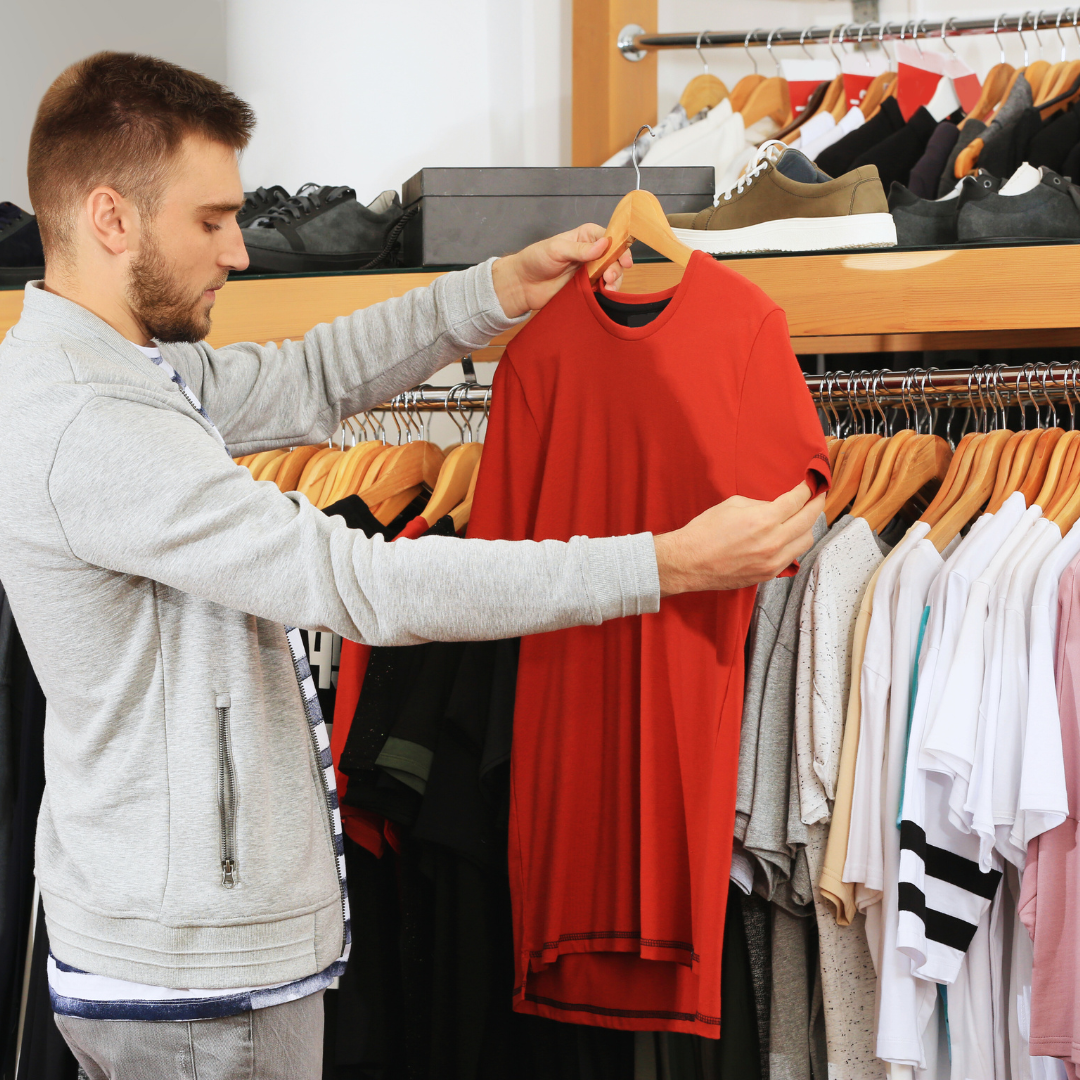
Building a cohesive wardrobe is about selecting pieces that work well together, reducing decision fatigue, and making unnecessary purchases. Shopping smarter means focusing on quality, versatility, and fit rather than quantity or trends. This approach saves time, money, and effort over the long term.
By understanding personal style and prioritizing essentials, anyone can create a collection of clothes that mix and match effortlessly. Knowing how to identify what suits their lifestyle and body type helps shoppers avoid impulse buys and focus on meaningful additions.
Developing a strategic plan for wardrobe updates allows for thoughtful investments rather than cluttered closets. This method encourages consistent refinement and ensures each purchase enhances the overall style.
Build a Cohesive Wardrobe Foundation
A strong wardrobe starts with clear decisions about style and function. Identifying personal preferences, examining current pieces, and setting targeted goals help create a wardrobe where items complement each other effectively.
Define Your Personal Style
To build a cohesive wardrobe, one must first define personal style. This involves identifying clothing that reflects daily life, comfort, and aesthetic preference. Style can range from classic and minimalist to bold and eclectic, but consistency is key.
He or she should gather inspiration from fashion sources such as magazines, blogs, or social media. Creating a mood board or list of favorite looks simplifies decisions. Knowing colors, patterns, and fits that resonate prevents impulsive purchases.
Clarity about style helps avoid mismatched or unused items, making future shopping more precise and purpose-driven.
Evaluate Your Current Wardrobe
An honest evaluation of an existing wardrobe reveals what aligns with personal style and what doesn’t. Sorting clothes into keep, mend, donate, or discard piles streamlines the process.
He or she should consider how often each piece is worn and if it complements other items. Fit and condition should be assessed to ensure usability. Taking photos or inventory can help visualize gaps.
This step eliminates clutter and highlights versatile core pieces. Recognizing duplicates or conflicting styles prevents wasted space and spending.
Set Wardrobe and Style Goals
Clear wardrobe goals guide smarter shopping decisions. These goals might include functionality for work, ease of mixing items, or adapting to lifestyle changes such as climate or social events.
He or she should list priorities such as adding timeless staples, upgrading quality over quantity, or focusing on specific color schemes. Setting measurable goals, like “add three neutral blazers” or “replace worn-out shoes,” makes progress trackable.
Goals align purchases with style and life needs, building a cohesive wardrobe that serves day-to-day and special occasions efficiently.
Shop Smarter With Strategy and Intention
Building a cohesive wardrobe demands careful planning and deliberate choices. It requires focusing on key essentials, avoiding excess, and keeping practical needs in mind.
Create and Follow a Thoughtful Shopping List
A shopping list focused on specific wardrobe gaps prevents unnecessary purchases. Start by evaluating current items and identifying what is missing for key outfits.
Include critical pieces like versatile tops, bottoms, and layering options. Use categories such as color, style, and fabric to maintain consistency. Writing a list before shopping limits distractions and keeps decisions aligned with the wardrobe plan.
Checking the list in-store or online helps resist marketing tactics that push impulse buying. It also ensures time efficiency and budget control. Updating the list regularly as needs evolve supports a smarter shopping approach.
Shop With Intention and Avoid Impulse Buys
Shopping with intention means making each purchase serve a clear purpose. Shoppers should ask if an item complements existing clothes or fulfills a particular function.
Impulse buys often lead to clutter and mismatched pieces. To avoid this, waiting 24 hours before purchase can clarify whether the item fits wardrobe goals. Using a checklist during shopping maintains focus on designated needs.
Choosing quality over quantity supports long-term wardrobe cohesion. Prioritizing neutral tones and classic styles increases versatility and reduces the risk of regret. This method reduces waste and promotes smarter spending.
Understand Your Lifestyle Needs
Clothing choices must reflect daily routines and activities. Considering work environments, social habits, and climate, avoid buying items that rarely get worn.
A person active outdoors, for example, needs durable, weather-appropriate clothing rather than purely trendy pieces. Professionals require polished, adaptable garments suited to meetings and events.
Assessing lifestyle needs helps build a functional wardrobe that works in multiple settings. This approach guides smarter shopping by focusing on garments that offer true value and consistent use.
Prioritize Versatile and Quality Wardrobe Staples
Building a cohesive wardrobe requires selecting pieces that serve multiple purposes and last through seasons. Emphasizing quality materials and timeless colors helps reduce frequent replacements and creates easy outfit combinations.
Focus on Versatile Wardrobe Essentials
Versatile items adapt to various occasions, from casual to formal. Key examples include a tailored blazer, a classic white shirt, dark jeans, and simple black shoes. These pieces function as the foundation for countless outfits.
Items like the tailored blazer provide polish to casual looks and professionalism to business attire. Choosing neutral colors and classic cuts increases flexibility. Avoid fads that limit use or quickly go out of style.
Build a Neutral Wardrobe Base
Neutrals such as black, navy, gray, beige, and white form the backbone of a versatile wardrobe. They pair easily with brighter accents or can stand alone for a clean, minimalist approach.
A neutral wardrobe base simplifies dressing decisions and maximizes outfit mixing. It also ensures longevity in style by minimizing reliance on seasonal trends. Investing in a few high-quality neutral staples is preferable to many statement pieces.
Select Fabrics for Longevity and Comfort
Fabric choice directly impacts durability and wearability. Cotton offers breathability and ease of care, making it ideal for shirts and casual tops. Wool is excellent for tailored pieces like blazers and sweaters due to its durability and insulation qualities.
Linen works well in warm weather for its lightweight and moisture-wicking properties, though it wrinkles easily. Prioritizing natural fibers supports both comfort and longevity, which aligns with a quality-over-quantity approach. Avoid synthetic fabrics that degrade faster and feel less comfortable over time.
Shop Sustainable and Organize for Longevity
Shopping with care and maintaining what you own are essential to building a wardrobe that lasts. Choosing secondhand items and keeping clothing in good condition helps reduce waste and saves money over time.
Utilize Thrift Stores and Resale Platforms
Thrift stores offer affordable, quality items that have already stood the test of time. They provide unique clothing options that are no longer in mass production, making the wardrobe more distinctive and sustainable.
Online resale platforms like Poshmark, Depop, or The RealReal allow users to buy and sell gently used clothes easily. These platforms show detailed photos and condition reports, helping shoppers make informed decisions without overbuying.
Prioritize items made from durable fabrics like cotton, wool, or leather when shopping secondhand. Avoid fast fashion brands that tend to wear out quickly and focus on pieces that can integrate well with your existing style.
Organize and Maintain Your Wardrobe
A well-organized wardrobe makes it easier to see what you own and reduces unnecessary purchases. Using clear bins, labeled sections, and hangers suited to garment types helps keep items in good shape and accessible.
Regularly inspecting clothing for repairs extends its life. Simple actions, such as sewing on loose buttons or fixing hems promptly, prevent small issues from making pieces unusable.
Proper storage prevents damage. For example, use cedar blocks or lavender sachets to deter moths, and keep heavier sweaters folded instead of hung to avoid stretching. This minimizes wear and maintains the wardrobe’s longevity over time.