
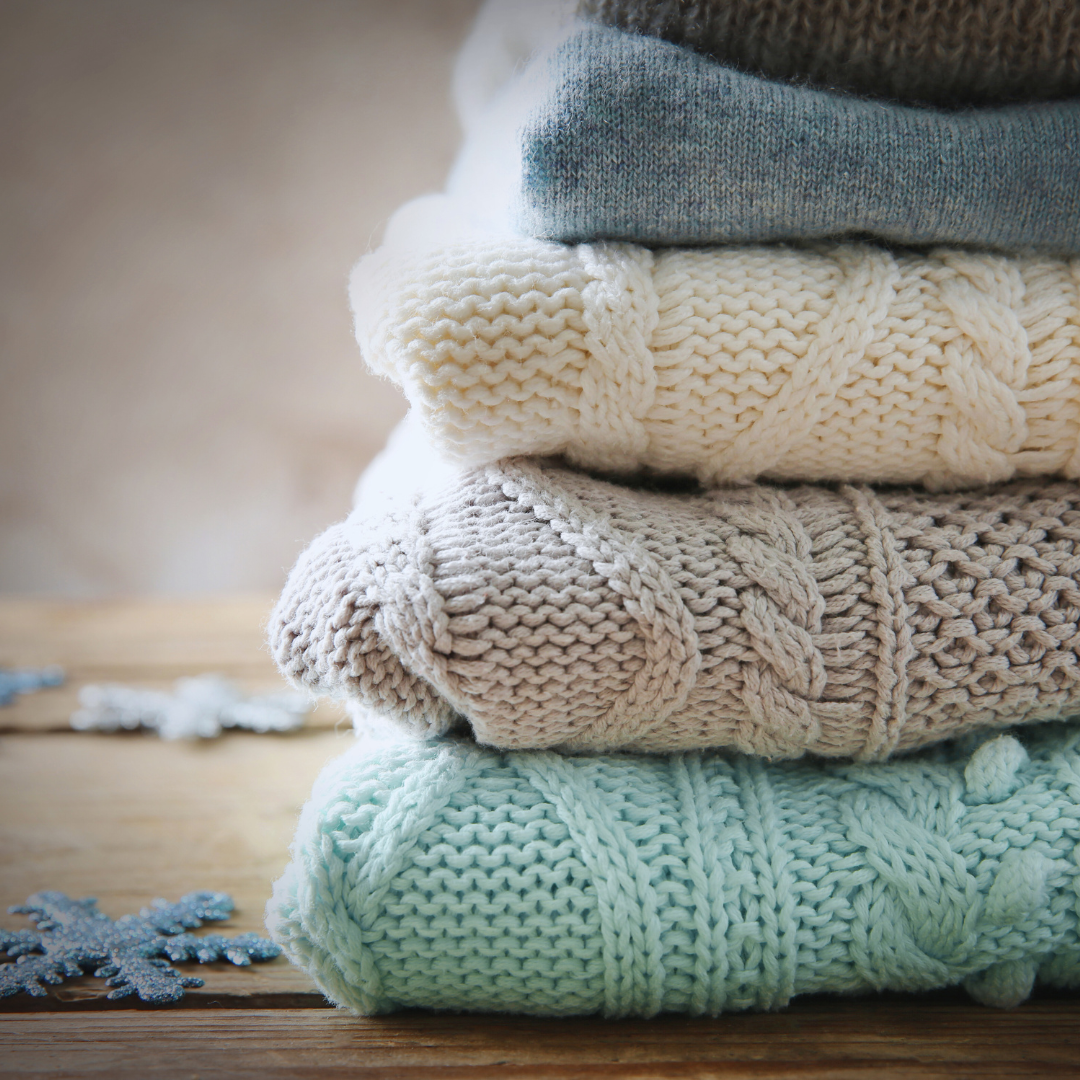
Choosing the right fabric for each season improves comfort and durability in clothing. Natural fibers like cotton and linen are ideal for warm weather because they breathe well, while wool and cashmere provide insulation in cold months. Synthetic materials can add durability but vary widely in comfort depending on the season.
Understanding fabric properties helps people select clothing that suits temperature changes and activity levels. Lightweight fabrics prevent overheating in summer, whereas heavier weaves retain body heat during winter. Recognizing these differences simplifies wardrobe decisions throughout the year.
Key Considerations for Seasonal Fabric Choice
Fabric choice impacts comfort and functionality throughout the year. Selecting materials depends on how well they manage temperature, moisture, and wear.
Breathable Versus Insulating Fabrics
Breathable fabrics like cotton, linen, and lightweight wool allow air circulation, making them ideal for warm weather. These materials help prevent overheating by releasing body heat.
Insulating fabrics, such as fleece, heavy wool, and down, trap heat to keep the wearer warm in cold conditions. They provide a barrier against wind and retain warmth close to the skin.
Choosing between breathable and insulating fabrics depends entirely on the season and activity level. Layering with both types is often effective during transitional weather.
Moisture-Wicking Properties and Comfort
Moisture-wicking fabrics pull sweat away from the skin to keep the wearer dry. Synthetic fibers like polyester and nylon excel in this property, making them popular for activewear.
Natural fibers such as merino wool also offer moisture management while maintaining breathability. These fabrics prevent discomfort caused by dampness and reduce the risk of chafing.
Comfort depends on the balance between moisture control and softness. Fabrics that wick moisture but feel rough against the skin can reduce wearability over time.
Durability and Care Requirements
Durability varies significantly between fabrics. Synthetic materials generally withstand frequent washing and wear better than delicate natural fibers.
Cotton and linen may shrink or fade without proper care, while wool requires gentle handling or dry cleaning to maintain shape and texture. Understanding these requirements helps extend garment life.
Choosing easy-care fabrics can save time and maintain appearance, especially for seasonal pieces rotated frequently. Checking fabric labels for care instructions is crucial before purchase.
Best Fabrics for Each Season
Different seasons demand distinct fabric qualities, focusing on breathability, insulation, and comfort. Choosing the right material helps manage temperature and moisture efficiently throughout the year.
Spring: Lightweight Cotton and Linen
Spring calls for fabrics that balance warmth and breathability. Lightweight cotton is ideal due to its softness and air circulation, which helps regulate body temperature as the weather fluctuates.
Linen is another excellent choice for spring. It naturally absorbs moisture and dries quickly, making it comfortable during warmer days. Both fabrics are durable and easy to layer, perfect for unpredictable spring weather.
Summer: Linen, Moisture-Wicking, and Cotton Blends
In summer, breathability and moisture management are crucial. Linen is highly recommended because it allows air flow and keeps the skin cool. Its loose weave promotes ventilation.
Moisture-wicking synthetic blends help pull sweat away from the body, ensuring dryness during high heat. Cotton blends, combining natural fibers with synthetics, also offer softness alongside improved moisture control.
These fabrics prevent overheating while maintaining comfort in hot conditions.
Autumn: Wool, Cashmere, and Thicker Cotton
As temperatures cool, autumn fabrics provide insulation without heavy bulk. Wool stands out for its natural warmth and ability to retain heat even when damp. It offers durability suitable for transitional weather.
Cashmere adds softness and a luxurious layer of warmth. Thicker cotton varieties, such as flannel, provide comfort and moderate insulation. These materials help retain heat while remaining breathable.
Layering with these fabrics supports comfort during changing autumn temperatures.
Winter: Wool, Cashmere, and Insulating Fabrics
Winter requires fabrics with strong insulating properties to retain body heat. Wool remains the best choice due to its thickness, moisture resistance, and thermal regulation.
Cashmere offers additional softness and efficient warmth in colder conditions. Insulating fabrics, often blends with synthetic fibers, add wind resistance and moisture barriers.
Combining these fabrics in winter clothing ensures protection from cold and wet weather while maintaining comfort.
How Fabric Performance Influences Comfort Year-Round
Fabric characteristics such as breathability, insulation, and weight determine how comfortable clothing feels throughout the year. These elements help manage body temperature and moisture, making fabric selection essential for adapting to changing weather and activities.
Temperature Regulation Across Seasons
Breathable fabrics like cotton and linen allow air circulation, which helps cool the body during warm seasons. They wick moisture away from the skin, preventing sweat buildup and discomfort.
In colder months, insulating fabrics such as wool and fleece trap body heat by creating air pockets. These fabrics help maintain warmth without adding excessive weight.
Blended fabrics that combine synthetic fibers with natural ones can enhance temperature regulation by balancing breathability and insulation. Selecting the right fabric for temperature control directly affects comfort and functionality.
Layering Techniques with Fabrics
Layering combines different fabric types to adjust insulation and breathability as temperatures change. A base layer made from moisture-wicking fabrics (like merino wool or polyester) keeps the skin dry.
Mid layers typically use insulating materials such as fleece or down to retain heat. Outer layers made from windproof or waterproof fabrics protect against external elements.
This system allows easy removal or addition of layers, optimizing comfort without relying on a single fabric. Proper layering maximizes the strengths of each fabric type, improving overall temperature control.
Adapting Fabric Choices to Climate Variations
Climates with rapid weather shifts call for versatile fabrics that perform well under different conditions. Breathable fabrics are critical in humid or hot climates to prevent overheating.
In dry, cold climates, insulating fabrics that resist moisture while retaining heat are preferable. Fabrics like wool retain thermal properties when damp, unlike cotton, which loses insulation when wet.
Choosing fabrics that align with local climate patterns prevents discomfort and reduces the need for frequent outfit changes. Awareness of fabric properties supports better adaptation to temperature and humidity changes.