
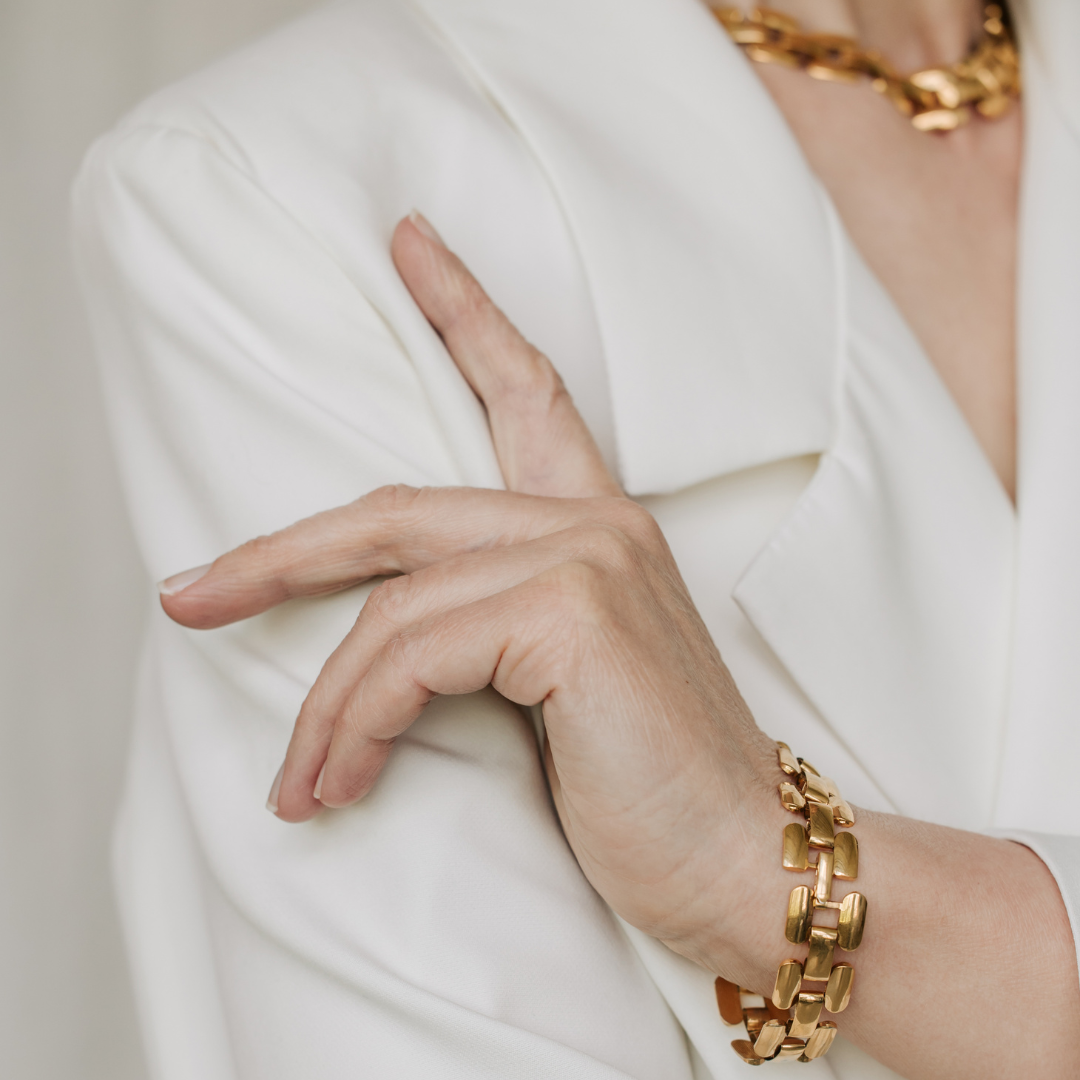
Choosing the right fashion accessories comes down to understanding the balance between personal style and the occasion. Selecting accessories that complement the outfit without overpowering it is key to enhancing the overall look. This means considering factors like color, scale, and function.
They should match the wearer’s lifestyle and the message they want to convey. Whether dressing for a professional setting or casual outing, accessories can either highlight confidence or distract from the intended style.
Knowing how to mix and match accessories while keeping simplicity in mind helps avoid common mistakes. Attention to details such as material quality and comfort also affects both appearance and wearability.
Understanding Accessories and Their Impact
Accessories serve as essential tools to refine and complete an outfit. Their influence ranges from subtle enhancements to bold statements that transform the overall look. Mastering their use depends on understanding their functional and aesthetic roles.
The Role of Accessories in Fashion
Accessories act as the finishing touches that define personal style. They include items like watches, scarves, belts, and jewelry. These pieces can emphasize certain features or complement clothing choices.
Timeless accessories such as a classic leather belt or simple stud earrings add versatility. In contrast, a statement accessory—like a chunky necklace or a brightly colored handbag—can shift an outfit’s mood instantly. Effective accessorizing involves selecting items that align with the occasion and outfit purpose without cluttering the look.
Balancing and Proportion in Accessorizing
Maintaining balance is critical when pairing accessories with an outfit. Larger, bold pieces should be offset with minimal additional accessories to avoid overwhelming the wearer. Conversely, delicate clothing works best with subtle, refined accessories to maintain harmony.
Proportion matters as well. For example, oversized sunglasses pair well with long hairstyles or large collars but may dominate a petite frame. Matching accessory scale to body size and outfit silhouette creates a visually pleasing result.
Elevating Outfits Through Accessories
Accessories can elevate simple outfits by adding texture, color, or focal points. Introducing a metallic belt or patterned scarf can transform basic separates into coordinated, stylish ensembles.
Strategic accessorizing also draws attention to preferred features. A statement accessory, like a bold watch or elegant cufflinks, directs focus properly. Choosing high-quality, well-maintained accessories ensures a polished appearance that enhances the entire outfit.
Personal Style and Color Coordination
Choosing the right accessories depends heavily on understanding personal style and mastering color coordination. Focusing on key elements like signature pieces and a balanced color palette helps create a consistent and eye-catching look.
Identifying Your Personal Style
He or she should start by examining clothing preferences, lifestyle, and personality traits. Whether drawn to classic, bohemian, minimalist, or edgy looks, these clues define accessory choices.
Analyzing current wardrobe staples helps clarify this style. Accessories should complement—not contradict—the existing aesthetic. For example, statement earrings suit someone who enjoys bold, expressive dressing, while subtle headbands align with understated looks.
Reflecting on frequent shopping choices and admired style icons can further refine personal style. This foundation guides accessory selections that feel authentic and enhance confidence.
Choosing a Signature Piece
A signature piece acts as the focal accessory in an outfit. This might be a bold necklace, a pair of statement earrings, or a unique headband.
He or she should pick something that resonates personally and fits everyday wear. This piece should coordinate easily with multiple outfits but stand out enough to attract attention.
Maintaining consistency with this item allows smoother styling decisions. For example, a gold statement necklace pairs well with neutral color palettes, adding interest without clashing.
Building a Cohesive Color Palette
Creating a color palette aligned with personal style is crucial for harmony. He or she should start with 3-5 core colors that dominate their wardrobe.
Accessories should either match these core colors or provide intentional contrast. For example, if a wardrobe’s main colors are navy, white, and beige, adding a red headband can introduce a lively accent.
Using a small table to track compatible colors can help:
| Core Colors | Accessory Colors | Notes |
| Navy | Gold, Burgundy | Warm tones for depth |
| White | Silver, Pastels | Soft contrasts |
| Beige | Earth tones | Natural, subtle look |
This method ensures accessories like statement jewelry blend seamlessly.
Experimenting and Personalizing Your Look
After establishing style and color rules, testing new combinations adds freshness. Trying bold headbands or mixing different statement earrings can reveal unexpected success.
He or she should feel encouraged to adjust or break norms lightly. Personalization might include layering delicate necklaces with a statement piece or pairing vintage earrings with modern outfits.
Documenting favorite pairings or seeking inspiration in fashion communities helps refine choices. This approach keeps the accessory collection dynamic without losing coherence.
Selecting the Right Accessories for Any Occasion
Choosing accessories depends heavily on the event’s formality, setting, and practical needs. The right pieces enhance an outfit while respecting the occasion’s norms and environment.
Matching Accessories to Formal Events
For formal occasions, accessories should be elegant and understated. Thin necklaces, delicate earrings, and refined bracelets work well. Chunky necklaces or large statement pieces tend to clash with formal attire.
Men and women often opt for classic leather belts and polished shoes to maintain a sophisticated look. Avoid overly bright colors or casual styles like sneakers or floppy hats.
Shiny metals such as gold or silver elevate formality. Simple scarves in silk can add subtle luxury without overwhelming the outfit.
Casual and Everyday Accessorizing
Casual accessories focus on comfort and personal style. People often choose versatile sunglasses, colorful scarves, or statement bracelets that can easily transition through daily activities.
Chunky necklaces or layered necklaces provide a fun detail without being dressy. Sneakers or casual flats work best for shoes. Hats like baseball caps or woven styles are commonly used outdoors.
Functionality is key. A leather belt for jeans or a simple watch can finish the look without appearing too formal.
Work and Professional Settings
Accessories at work should be polished but restrained. Thin necklaces and small stud or hoop earrings fit most professional environments well.
Shoes should be clean, closed-toe, and typically in neutral colors. Avoid overly bold or large statement pieces such as chunky necklaces or oversized hats.
Leather belts in black or brown complement tailored trousers or skirts. Scarves can add color but must remain subtle and neatly tied.
Outdoor Versus Indoor Choices
Outdoor accessories often prioritize practicality and protection. Sunglasses shield eyes, and hats, such as wide-brimmed or baseball caps, protect from sun exposure.
Lightweight scarves can block wind, while outdoor shoes emphasize durability and comfort. Chunky jewelry is typically avoided outdoors to prevent damage.
Indoors, accessories shift to aesthetics and comfort. Softer fabrics like silk scarves and delicate jewelry suit controlled environments. Shoes are often lighter and less rugged indoors.