
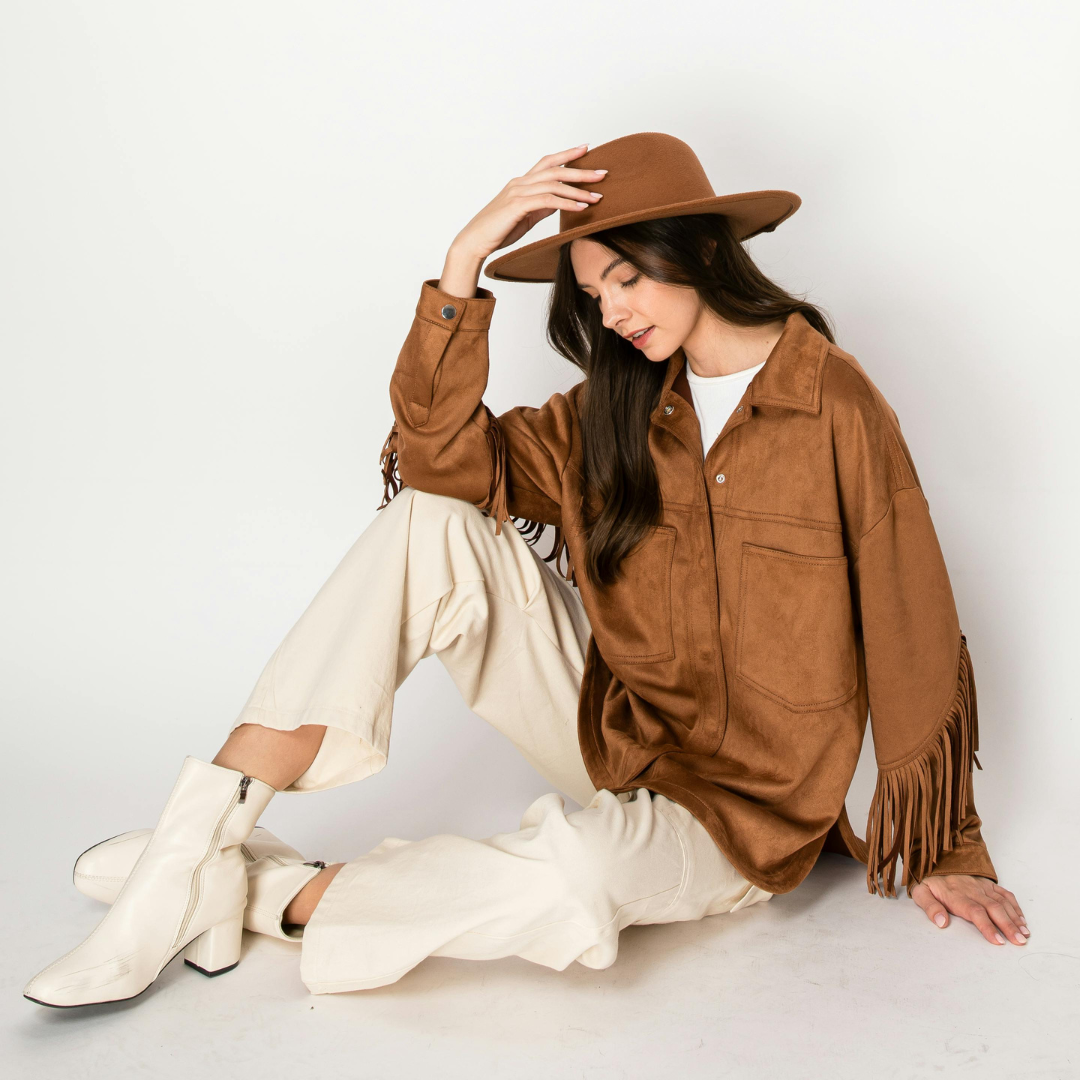
Mixing high-end and affordable fashion is about balance and intentional choices. The key is to pair statement pieces from luxury brands with versatile, budget-friendly items to create a polished, cohesive look. This approach allows one to enjoy quality and style without overspending.
Understanding which items to invest in and which to save on can make a big difference. Accessories, shoes, or outerwear often carry the luxury element, while basics like tees or jeans can be more affordable.
By combining these thoughtfully, anyone can build a wardrobe that feels both sophisticated and practical. This post will explore how to achieve that mix effectively, step by step.
Fundamentals of Mixing High-End and Affordable Fashion
Blending designer pieces with budget-friendly items can create a versatile wardrobe without overspending. It requires attention to balance, quality, and style to maintain a cohesive, polished appearance that works for various settings.
Why Combine Designer Pieces With Budget Finds
Combining high-end designer pieces with affordable fashion allows for a customizable wardrobe that maximizes value. Designer items often serve as focal points, elevating simpler pieces from budget stores. This approach lets someone invest in statement items without relying solely on costly brands.
Affordable finds can fill gaps in the wardrobe where trends or basics are concerned. This flexibility means a wider range of outfit options without compromising style. Moreover, mixing price points keeps a wardrobe fresh and adaptable to different occasions.
Key Principles for a Polished Look
Focus on fit, fabric quality, and color coordination when mixing. Well-fitting, affordable clothes can enhance designer pieces rather than detract from them. Prioritize affordable items made from durable materials to avoid a mismatched appearance.
Keep the color scheme balanced. Neutral tones often work best to link designer and budget items. Accessories also play a crucial role; investing in quality shoes or bags can lift the whole look.
Simple silhouettes from affordable brands paired with unique designer elements create harmony. Pay attention to proportion and avoid overcrowding the outfit with flashy pieces.
Common Mistakes to Avoid
Avoid wearing multiple high-end items with inexpensive pieces that appear cheap or worn out. This can undermine the designer elements’ impact. Over-accessorizing is another error; too many accessories can make the outfit look cluttered.
Ignoring the importance of fit leads to a sloppy appearance, regardless of item cost. Cheap fabrics that cling or sag signal an imbalance in the outfit. Lastly, mixing unrelated styles, such as formal designer pieces with casual budget wear, can create confusion rather than balance.
Stick to complementary tones and consistent style themes to keep the outfit cohesive.
Building a Balanced Wardrobe Strategy
A well-balanced wardrobe blends durable, high-quality items with budget-friendly pieces to maximize style and practicality. Prioritizing key designer pieces, versatile basics, and selective trends helps create a cohesive collection that adapts over time and occasions.
Choosing Timeless Investment Pieces
Timeless investment pieces anchor a wardrobe by offering longevity and classic style. Items like a tailored blazer, a leather handbag, or quality designer shoes bring both durability and sophistication. These pieces justify higher costs because they rarely go out of style and withstand frequent wear.
Focus on neutral colors and quality materials such as wool, leather, or cashmere to ensure versatility. They should complement multiple outfits and transition easily from casual to formal settings. Investing in these essentials allows for fewer replacements and maintains a polished appearance.
Versatile Essentials for Everyday Outfits
Affordable, versatile basics form the foundation of daily dressing. This includes items like plain tees, denim jeans, and simple knitwear. These pieces provide a base to layer with higher-end items, extending the usefulness of each designer piece.
Choosing neutral shades enhances mix-and-match potential. Prioritize fit and comfort, as these will be worn frequently. Affordable brands often excel in producing quality basics that don’t break the budget, allowing more resources for investment items.
Incorporating Seasonal Trends
Seasonal trends should be incorporated sparingly to keep a wardrobe current without overwhelming it. Opt for affordable fashion to experiment with colors, patterns, or styles predicted for the season.
Limit trend purchases to accessories, statement tops, or shoes rather than costly designer items. This mitigates risk while refreshing the wardrobe. Paying attention to how trends work with existing pieces ensures cohesion and maximizes wearability across seasons.
Tips and Techniques for Effective Styling
Balancing high-end designer pieces with affordable clothing requires attention to contrast, focus, and detail. Strategic choices make combining different price points look intentional and polished rather than mismatched.
Pairing Statement Items With Basics
A single designer piece, like a bold jacket or luxury handbag, works best when paired with simple basics. Neutral-colored tees, classic jeans, or tailored trousers help anchor extravagant items without competing for attention.
Avoid mixing multiple statement pieces at once. Instead, let one high-end item be the focal point while keeping the rest of the outfit understated. This creates balance and elevates the entire look effectively.
Maximizing the Power of Accessories
Accessories bridge the gap between high-end and affordable fashion. Choosing quality shoes, belts, and jewelry can elevate budget-friendly outfits.
Investing in designer sunglasses, a watch, or minimalist leather goods adds sophistication. Conversely, trendy but well-chosen hats, scarves, or costume jewelry can refresh classic, expensive items without clashing.
Enhancing Affordable Items
Affordable clothing looks more expensive when well-fitted and thoughtfully styled. Tailoring inexpensive pieces or combining them with structured items improves overall presentation.
Using layering techniques, such as wearing a sleek blazer over a basic top, enhances simple garments. Careful attention to fabric care—like steaming and avoiding wrinkles—also maintains a polished appearance.
Sustainable Approaches to High-Low Dressing
Balancing high-end and affordable fashion can support a sustainable wardrobe by focusing on how pieces are sourced, maintained, and chosen carefully. Thoughtful decisions reduce waste and encourage longer use of clothing.
Shopping Secondhand and Vintage
Buying secondhand or vintage items offers access to unique, high-quality pieces without the environmental cost of new production. It allows one to incorporate luxury or designer labels at lower prices while promoting reuse.
Shoppers should look for well-maintained clothing from reliable sources such as consignment shops, online resale platforms, or vintage markets. Inspecting items for durability and condition ensures they last longer in the wardrobe.
Secondhand shopping reduces demand for fast fashion and its associated pollution and waste. It also enables mixing standout vintage items with budget finds for a personalized, sustainable style.
Care and Longevity of Your Wardrobe
Proper garment care extends the life of both high-end and affordable pieces. Following label instructions, using gentle detergents, and avoiding frequent washing preserves fabric integrity.
Storing clothes correctly—such as hanging delicate items or folding knitwear—prevents damage. Regular maintenance, like mending small tears or replacing buttons, keeps a wardrobe functional and attractive.
When seasonal changes happen, many people find they do not have enough closet space for all their clothes. Keeping delicate fabrics in a damp basement or a hot attic can ruin them over time. A climate-controlled unit is often the best option to keep these items safe from moisture and extreme temperatures. If you are unsure about what size unit you need for your wardrobe, you can talk with a storage specialist to find the right fit. This step helps protect your fashion investments for years to come.
When seasonal changes happen, many people find they do not have enough closet space for all their clothes. Keeping delicate fabrics in a damp basement or a hot attic can ruin them over time. If you must use your upper home spaces for storage, keeping the temperature down is very important. Homeowners often invest in attic fan installation to pull hot air out and lower the humidity. This simple change helps protect your fashion investments and keeps the space safe for your clothes.
Investing time in garment care reduces the need to replace items frequently, which benefits both the environment and overall wardrobe expenses.
Conscious Consumption Practices
Consumers should prioritize needs over trends to build a thoughtful wardrobe. Selecting versatile, timeless items allows for wider outfit combinations and reduces impulse buying.
Budget-conscious shoppers can allocate funds to key investment pieces and supplement with affordable basics. This balance supports a filled wardrobe with fewer, impactful purchases rather than excess.
Tracking clothing use and avoiding fast seasonal rotation helps maintain sustainability. Limiting quantity and favoring quality over volume leads to a more responsible dressing approach.