
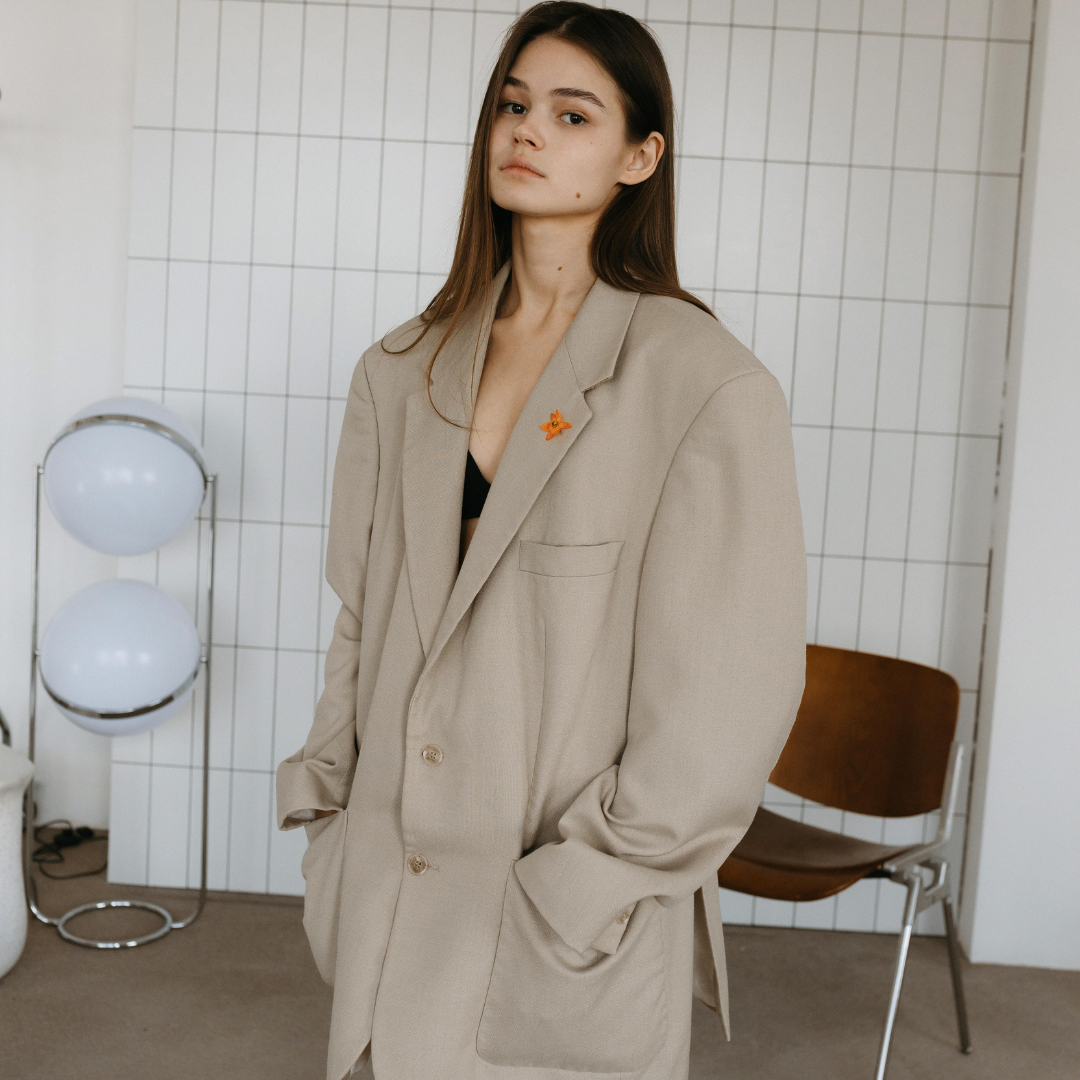
Oversized fashion can look effortless and chic when styled with intention. The key to pulling off oversized pieces is balancing volume with proportion and choosing complementary accessories. This approach prevents the outfit from overwhelming the wearer.
Understanding how to mix oversized garments with more fitted items creates a flattering silhouette. Fabric choice and color coordination also play essential roles in making oversized fashion feel modern and polished rather than sloppy.
Key Principles for Pulling Off Oversized Fashion
Mastering oversized fashion requires attention to how pieces relate to the body and each other. Choosing the right items and fabrics helps maintain a balanced and flattering look despite the naturally loose fit of the clothing.
Understanding Proportion and Balance
Oversized fashion relies heavily on proportion to avoid overwhelming the wearer. Combining one oversized piece with more fitted items creates balance, preventing the outfit from looking shapeless.
For example, pairing baggy pants with a snug top or an oversized jacket with slim jeans maintains clear lines. Attention to length also matters; cropped oversized tops can highlight the waist and add structure.
Layers should not all be bulky; incorporating lighter or more tailored elements keeps the overall look polished. Thoughtful proportions help oversized pieces complement rather than dominate the silhouette.
Selecting the Right Oversized Pieces
Not all oversized pieces work equally well. Items with clean lines and minimal bulk tend to be more wearable. Oversized coats, tunics, and sweaters in moderate volumes are easier to style than extremely baggy options.
Key considerations include shoulder fit and sleeve length. Shoulders should not be excessively dropped unless intended for a specific style. Sleeves that extend just past the wrist avoid an unkempt appearance.
Choosing versatile oversized pieces in neutral or solid colors also aids in building cohesive outfits. Accessories and footwear can then play clearer roles without competing with oversized shapes.
Choosing Flattering Fabrics
Fabric choice affects both comfort and appearance in oversized fashion. Structured fabrics like denim, canvas, or heavyweight knits help maintain shape and prevent the clothing from looking sloppy.
Conversely, fluid fabrics such as silk or lightweight cotton create natural drape, which can soften the bulk of baggy clothing. However, very thin fabrics may cling or exaggerate volume unintentionally.
Avoid overly stiff or bulky materials that add unnecessary mass to oversized items. Instead, select fabrics that offer just enough resistance to form and flow, enhancing the silhouette without adding excessive weight or puffiness.
Styling Tips for Oversized Outfits
Oversized clothing creates volume and presence, making it essential to control proportions and add structure. Using specific techniques like pairing with fitted pieces, manipulating hems, and choosing the right accessories ensures a balanced look.
Balancing Silhouettes with Fitted Items
Pairing oversized tops or jackets with fitted bottoms like skinny jeans or leggings helps maintain a streamlined silhouette. This contrast prevents the outfit from overwhelming the frame.
For example, a loose sweater with skinny jeans or a mini skirt can highlight legs and counterbalance volume on top. Sheer tights can add texture without adding bulk when wearing shorter skirts or dresses.
Knee-high boots add length and sophistication, complementing slim bottoms well. Wearing oversized pants? Balancing with a fitted, tucked-in shirt helps keep proportions sharp.
Tucking, Belting, and Layering Techniques
Tucking oversized shirts or sweaters into high-waisted pants or skirts defines the waist and stops fabric from overpowering the shape. Partial tucks create a natural, stylish look without bulk.
Belts are effective for oversized jackets, dresses, or cardigans. They highlight the waist and stop the garment from looking shapeless. Choose belts that suit the material—wide for heavier fabrics, slim for light knits.
Layering can break up large shapes. For instance, adding a cropped jacket over an oversized top adds structure and interest. Pairing with a fitted base layer, like a tight turtleneck beneath a loose sweater, adds dimension without bulk.
Mastering Accessories and Footwear
Oversized outfits work best with minimal, purposeful accessories. Chunky jewelry can add weight, so delicate chains or studs often provide better balance.
Footwear like knee-high boots, sleek ankle boots, or pointed flats creates a correct focal point. Chunky or bulky shoes risk adding too much volume, especially when paired with already oversized clothes.
For leggings or skinny jeans worn with oversized tops, opting for streamlined shoes helps elongate legs. Adding structured handbags also balances the softness of oversized pieces by introducing clear lines to the outfit.
Oversized Wardrobe Essentials
Mastering oversized fashion begins with choosing key pieces that balance style and comfort. The right selection of blazers, sweaters, and shirts can create bold yet practical looks.
Oversized Blazer and Jacket Looks
An oversized blazer is a central item for layering and structure in an oversized wardrobe. It provides a sharp silhouette while maintaining a relaxed fit. Neutral colors like black, navy, or beige work well for versatility.
Pairing an oversized jacket with fitted bottoms helps balance proportions. Fabrics like wool or tweed add texture and weight, giving the look refinement. For casual wear, a loose denim or bomber jacket also qualifies as oversized outerwear.
Tailoring details such as padded shoulders or cinched waists can refine the oversized shape without sacrificing comfort. The key is to mix oversized jackets with slim cuts or tailored pants to avoid a bulky appearance.
Cozy Sweaters and Hoodies
Oversized sweaters and hoodies serve both warmth and style in oversized outfits. Chunky knit sweaters and baggy sweaters are popular for their texture and volume.
Oversized hoodies create an effortlessly casual look. When choosing colors, neutral tones or muted pastels ensure easy layering with other oversized pieces. It’s important to consider sleeve length; slightly longer sleeves enhance the oversized effect without hindering movement.
Sweaters with high-quality fabrics like wool blends or cotton knit hold shape better. Layering an oversized sweater over a slim turtleneck or under a jacket enhances dimension and comfort.
Shirts and Dresses: Versatility Unlocked
Oversized shirts offer flexible styling options. Cotton or linen oversized shirts work well untucked or partially tucked for a relaxed yet put-together look. Striped or solid colors often serve as wardrobe staples.
Oversized dresses blend comfort and elegance with effortless volume. Shirt dresses and t-shirt dresses with loose cuts allow freedom of movement and can be styled with belts for added shape.
Pairing oversized shirts or dresses with fitted accessories or footwear like boots or heels helps maintain proportional balance. Longer hemlines in oversized dresses add coverage while preserving airiness.
Adapting Oversized Fashion to Different Body Types
Oversized fashion can be tailored to various body shapes by focusing on proportions and balance. Key adjustments involve selecting the right pieces and pairing them to highlight or minimize certain areas while maintaining comfort and style.
Petite Styling Strategies
For petite individuals, oversized clothes can overwhelm their frame if not chosen carefully. To avoid looking buried in fabric, they should opt for cropped oversized tops or jackets that reveal the waistline.
Pairing oversized mom jeans with fitted tops or tucking in loose shirts prevents a boxy silhouette. Heels or platform shoes create added height, balancing the volume on top or bottom.
Layering lightweight, oversized pieces rather than bulky ones maintains a sleek look without excessive bulk. Accessories like belts or small bags can further define the figure and add structure.
Tips for Curvy and Tall Frames
Curvy figures benefit from oversized clothes that drape rather than cling. A loose, soft, oversized blouse with contoured mum jeans can enhance natural curves without appearing shapeless.
Tall individuals can embrace longer oversized garments such as coats or tunics. They should avoid items that cut off the mid-section, which can disrupt proportions.
Pairing loose tops with straight-leg mom jeans or wide-leg trousers balances the overall look. Adding a belt can highlight the waist, providing better definition in voluminous outfits.