
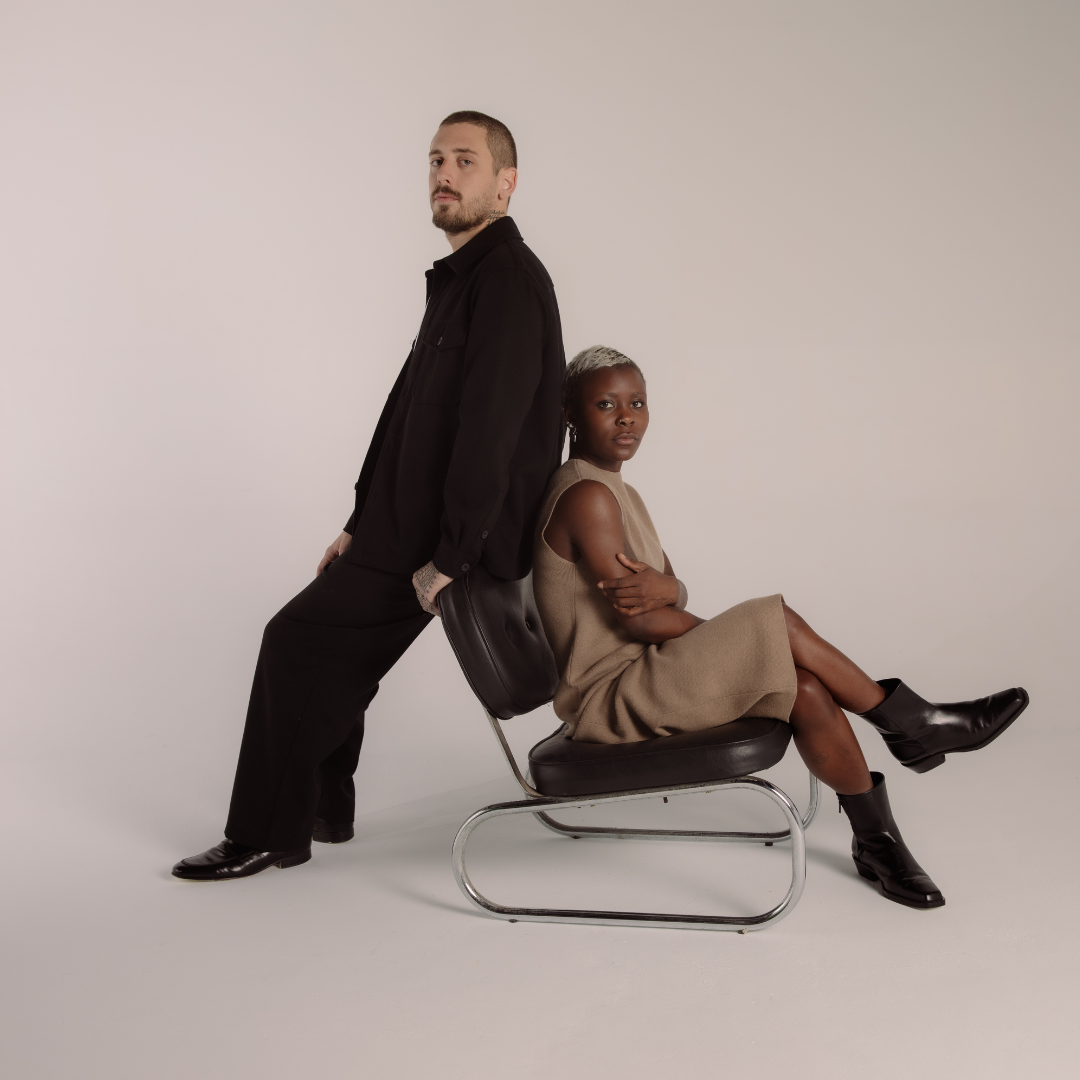
The rise of gender-neutral fashion reflects a growing demand for clothing that transcends traditional gender boundaries. This shift offers consumers more freedom to express their identity without the limitations imposed by conventional men’s and women’s styles.
Brands and designers are increasingly embracing unisex collections, responding to cultural changes and the desire for inclusivity. The trend challenges long-established fashion norms, promoting versatility and individuality over rigid categorization.
As society continues to move toward acceptance of diverse gender identities, gender-neutral fashion gains relevance and momentum. It is becoming a significant part of how people choose to present themselves daily.
Unpacking Gender-Neutral Fashion
Gender-neutral fashion centers on clothing designed without specific gender distinctions. This approach challenges traditional style boundaries and offers new ways for people to express identity beyond binary labels. It redefines how clothes relate to the wearer’s identity and society’s expectations.
Defining Gender-Neutral Clothing
Gender-neutral clothing includes garments made to be worn by any person, regardless of gender. It avoids typical design elements tied to “male” or “female” categories, such as fitted cuts or overtly masculine/feminine colors and patterns. Fabrics, shapes, and styling aim for neutrality and versatility.
This type of clothing often features looser fits, simplified shapes, and minimal embellishment. Colors tend to be neutral or mixed rather than traditionally gendered pastels or dark tones. Brands focus on inclusivity by presenting collections that do not assign designs to a specific gender.
Breaking Down Gender Norms in Style
Gender norms influence societal expectations about how men and women should dress. Gender-neutral fashion pushes back on these by blending or removing these labels from clothing options. This shift is part of a broader cultural movement questioning and redefining gender roles.
Traditional sections in stores labeled “menswear” or “womenswear” are less relevant as gender-neutral fashion grows. This change helps reduce pressure on consumers to conform to binary dress codes. It also promotes functional dressing based on comfort and personal taste rather than gender expectations.
Self-Expression Through Inclusive Clothing
Gender-neutral fashion allows individuals to express identity without restrictions. People can mix styles or choose designs that reflect personality rather than gender norms. This freedom supports diverse expressions of identity, including non-binary and transgender perspectives.
Inclusive fashion also fosters community by creating spaces where all identities feel seen and respected. By wearing gender-neutral clothes, people affirm their right to define themselves uniquely. This approach prioritizes authenticity and comfort over conformity.
Cultural Shift: The Gender-Neutral Fashion Movement
The gender-neutral fashion movement reflects changing ideas about identity and inclusion in style. It challenges traditional clothing norms and reshapes how the fashion industry approaches design and marketing.
Evolution of Gender-Neutral Designs
Gender-neutral designs emerged from a desire to break free from strict binary clothing categories. Early gender-neutral fashion mixed traditionally masculine and feminine elements but maintained some recognizable gender styles.
Over time, designers developed entirely new silhouettes, cuts, and fabrics to create garments without gender association. Brands like Telfar and Rad Hourani introduced collections emphasizing comfort and versatility for all genders.
This shift also influenced mainstream fashion houses to launch gender-neutral collections in response to consumer demand. The focus moved from designing for “men” or “women” to designing for human bodies and identities.
The Role of Gen-Z and Younger Consumers
Gen-Z and younger consumers strongly drive gender-neutral fashion adoption. They value self-expression and reject outdated gender stereotypes more than previous generations.
Social media platforms amplify their voice, allowing quick sharing of gender-neutral style ideas, further accelerating their popularity. Influencers and activists actively promote inclusivity in fashion, pushing brands to respond.
The purchasing power of younger consumers pushes brands to innovate. They support companies showing authentic commitment to diversity, favoring those with gender-neutral collections rather than token gestures.
Societal Impacts and Changing Attitudes
The rise of gender-neutral fashion contributes to broader social acceptance of gender diversity. It encourages dialogue about gender roles and identity beyond traditional norms.
Workplaces, schools, and public spaces are gradually relaxing dress codes, partly influenced by fashion industry shifts. This promotes a more inclusive environment for people who do not identify strictly as male or female.
The fashion movement challenges stereotypes by normalizing androgyny and fluidity in everyday wear. It creates opportunities for individuals to dress according to preference, not gender expectations.
Key Pieces and Design Elements
Gender-neutral fashion prioritizes adaptability, comfort, and quality across multiple garment types. It blends traditional elements with modern styling to create versatile wardrobes.
Suits and Blazers Reimagined
Suits and blazers in gender-neutral fashion break away from classic tailoring designed for specific bodies. They often feature looser cuts, minimalistic lines, and neutral colors like black, grey, or beige to appeal universally.
Designers eliminate overtly gendered details such as exaggerated shoulder pads or cinched waists. Instead, adjustable elements like removable belts or flexible fabrics accommodate various shapes. Unisex suits often use softer materials for ease of movement without sacrificing structure.
Versatility and Comfort in Oversized Clothing
Oversized clothing is a core aspect of gender-neutral fashion, combining comfort with broad appeal. Loose-fitting shirts, jackets, and sweatshirts made from breathable fabrics allow freedom of movement.
This style avoids restrictive tailoring, making items suitable for all body types. Oversized pieces often include neutral tones and simple patterns, allowing layering and mix-and-match versatility.
Comfort-driven design includes soft cottons, fleece, and knits, emphasizing practicality alongside aesthetics. The trend supports easy dressing and inclusive sizing.
Dresses and Pants Beyond Binaries
Gender-neutral dresses and pants reject traditional gendered silhouettes. Dresses may feature boxy shapes and modest cuts that do not emphasize curves exclusively.
Pants focus on straight or relaxed fits without fixed waist placements or embellishments tied to gender expectations. Materials like denim, linen, and jersey are popular for their durability and comfort.
Color palettes tend to avoid culturally gendered shades, opting for earth tones, blacks, and whites. These garments provide options for anyone, facilitating personal expression without constraints.
Investing in Quality and Timeless Pieces
Quality fabrics and craftsmanship are priorities in gender-neutral wardrobes. Pieces are designed to last beyond fast-fashion cycles, focusing on durability and classic design elements.
Materials like organic cotton, wool blends, and recycled textiles are common. Timeless pieces such as tailored jackets, sturdy pants, and simple tops build a versatile, sustainable closet.
Consumers often look for items with minimal branding and clean lines, reflecting a focus on function and longevity. This approach supports economic and environmental sensibility in fashion choices.
Fashion Industry Leaders and Brands
The gender-neutral fashion movement has gained traction through influential brands and key designers pushing beyond traditional boundaries. Industry leaders embrace inclusivity, sustainability, and diversity in their collections and marketing approaches.
Notable Gender-Neutral Fashion Brands
Brands like Telfar, Phluid Project, and Wildfang have become symbols of gender-neutral fashion. They focus on accessible clothing lines that reject binary gender norms.
Telfar, founded by Telfar Clemens, promotes the slogan “Not for you, for everyone.” It offers unisex apparel and accessories embraced by diverse communities for its inclusive approach.
Phluid Project operates as both a brand and a retail space dedicated solely to gender-free fashion. It curates collections from multiple designers who prioritize identity fluidity.
These brands use inclusive sizing, gender-neutral fits, and marketing that targets all genders equally.
Pioneering Designers Shaping the Trend
Designers like Harris Reed, Rad Hourani, and Telfar Clemens innovate in gender-neutral fashion by rethinking traditional tailoring and silhouettes. They omit gendered cues like fitted waists and specific cuts.
Harris Reed’s runway shows blur masculine and feminine aesthetics with flowing fabrics and sharp tailoring. Reed’s work promotes freedom from gender roles in fashion.
Rad Hourani was among the first to launch an exclusively unisex collection globally, focusing on minimalistic yet versatile pieces.
Their work has influenced mainstream fashion houses to experiment with gender-neutral lines and challenge conventional fashion norms.
Case Studies: telfar and stella mccartney
Telfar has disrupted luxury fashion by creating unisex and accessible designs that reject exclusivity. Its signature Shopping Bag appeals to all genders and has sold out repeatedly due to wide demand.
Stella McCartney integrates gender-neutral concepts through sustainable fabrics and relaxed, unisex silhouettes. McCartney combines eco-conscious design with inclusivity, targeting modern consumers seeking ethical fashion without strict gender definitions.
Both brands leverage strong brand identity and social responsibility, attracting a young, diverse customer base. Their collaborations and media strategies further popularize gender-neutral fashion within and beyond the luxury market.