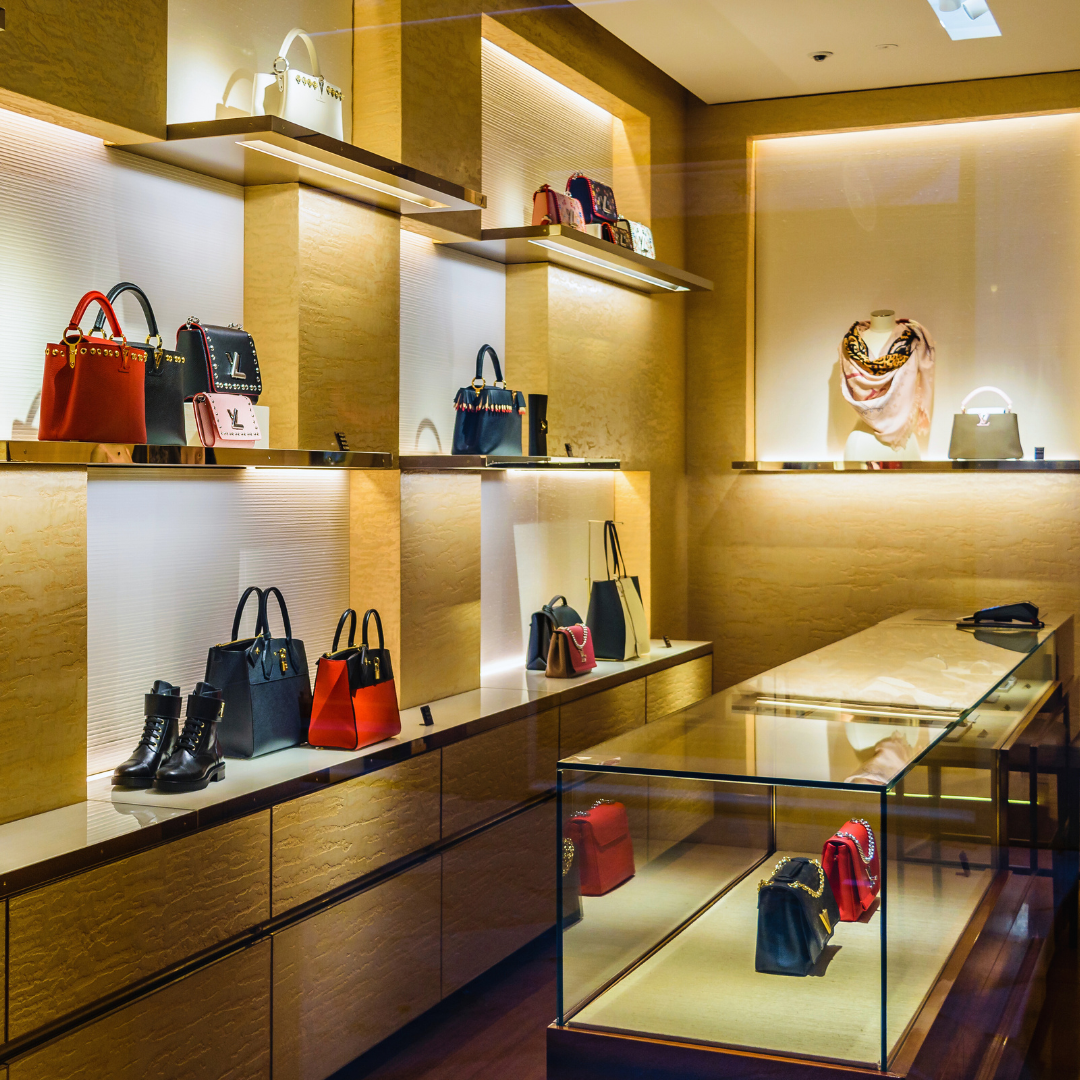
Investing in luxury fashion goes beyond wearing stylish clothes; it offers lasting value through quality craftsmanship and timeless design. Many luxury pieces retain or even increase their worth over time, making them more than just a purchase—they become assets.
Luxury fashion provides a unique combination of durability, exclusivity, and potential financial gain that mass-market clothing cannot match. These factors appeal to those who want their wardrobe to reflect both personal style and smart investment.
As consumers become more conscious about sustainable and thoughtful spending, luxury fashion stands out as a way to invest in items that last longer and hold meaningful value. This perspective changes how people view fashion from a disposable commodity to a long-term investment strategy.
Prestige and Status: The Social Value of Luxury Fashion
Luxury fashion conveys a distinct social value through its exclusivity, brand influence, and the opportunities it creates for personal and professional connections. These aspects elevate individuals’ perceived prestige within various social circles.
Exclusivity and Uniqueness
Luxury brands produce limited-edition collections and high-quality items that are not widely available. This scarcity creates a sense of exclusivity, differentiating owners from the mass market.
Consumers value owning pieces that few others have, which enhances their social standing. The rarity of these items, combined with meticulous craftsmanship, reinforces the idea that the wearer belongs to an elite group.
Moreover, luxury fashion often incorporates unique design elements or bespoke services. These features increase the item’s individuality, making it a symbol of personal taste and discernment.
Brand Recognition and Influence
Luxury fashion brands are globally recognized symbols of status and wealth. Names like Chanel, Louis Vuitton, and Gucci carry historical prestige and cultural capital.
Wearing such brands signals an individual’s access to quality and affluence. It also aligns the person with the brand’s heritage and social cachet.
Brand influence extends beyond clothing to lifestyle associations, including art, travel, and social causes. This broad recognition amplifies the wearer’s prestige in diverse environments.
Networking Opportunities
Investing in luxury fashion can open doors to exclusive events and communities. Many luxury brands invite clients to private shows, galas, or product launches.
These environments foster interactions with high-net-worth individuals, industry leaders, and influencers. Networking in such spaces can lead to professional opportunities and social advancement.
The social circles tied to luxury fashion often value status symbols, which help in forming connections based on shared tastes and prestige. The brand serves as a tangible conversation starter and trust marker.
Long-Term Value and Financial Benefits
Investing in luxury fashion provides measurable financial advantages that extend beyond the initial purchase. It combines the protection of value with potential for profit, backed by strong brand heritage and high-quality craftsmanship.
Asset Appreciation and Resale Potential
Certain luxury brands such as Hermès, Chanel, and Rolex consistently see their products appreciate in value over time. Limited editions and classic pieces, especially handbags and watches, often increase in market value due to scarcity and high demand.
High-end watches are especially popular in the secondary market because they combine utility with long-term worth. Many owners choose to sell these pieces when they want to update their collection or unlock the cash value of their assets. Working with a specialized buyer makes this process simple and secure. Platforms like lewatchbuyers.com help people get a fair market valuation for their luxury timepieces. This approach ensures that sellers receive a safe transaction and quick payment without the hassle of traditional online marketplaces.
Luxury fashion items are frequently resold at or above their original retail price. For example, the Hermès Birkin bag often sells on secondary markets for significantly more than its purchase price.
This resale potential makes luxury goods investable assets, as buyers can recover a large portion of their costs or even profit. The condition of the items, packaging, and authenticity certificates also impacts resale value.
Cost Efficiency Over Time
Luxury brands focus on superior materials and construction, ensuring durability. Unlike fast fashion, these items require fewer replacements, reducing long-term spending.
Wearing a well-maintained designer piece over many years spreads the initial investment across extensive use, lowering the average cost per wear.
Additionally, some luxury items retain their style and function longer, avoiding the need for frequent updates. This quality extends the lifecycle of the items, contributing directly to cost efficiency for the investor.
Quality, Durability, and Craftsmanship
Luxury fashion stands out because of its superior materials and precise construction. It maintains value through durable design and skilled craftsmanship, which fast fashion typically lacks.
Material Excellence and Longevity
Luxury brands use high-quality raw materials such as full-grain leather, natural silk, and handwoven wool. These materials resist wear and tear, contributing to longer-lasting products.
Attention to detail includes using reinforced stitching, custom hardware, and natural dyes that do not fade quickly. This care preserves the garment’s appearance and structure over years of use.
Luxury pieces often improve with age; leather develops a unique patina, and silk keeps a smooth texture longer. This contrasts with the short life cycle of many standard fabrics in mass-produced clothing.
Comparison to Fast Fashion
Fast fashion products prioritize cost and speed, often using synthetic fibers and lower-quality cotton blends. These fabrics tend to have weaker seams and fade-based designs that wear out rapidly.
The mass production process sacrifices meticulous craftsmanship, resulting in garments that lose shape or color after only a few washes. Durability is limited, often lasting just a season or two.
In contrast, luxury fashion invests time in hand finishing, quality control, and durable construction techniques. This leads to pieces that maintain form and function, offering better long-term value despite higher upfront costs.
Sustainability and Ethical Considerations
Luxury fashion brands are increasingly focused on reducing harm and promoting fairness throughout their supply chains. Their efforts include improving labor conditions and limiting environmental damage, setting them apart from many fast fashion companies.
Ethical Production Practices
Luxury brands often invest in transparent and fair labor practices. This includes paying living wages, maintaining safe working environments, and avoiding exploitative labor. They frequently partner with certified factories and conduct regular audits to ensure compliance.
Such brands tend to use high-quality materials sourced responsibly, supporting artisans and traditional craftsmanship. This approach contrasts with fast fashion, which prioritizes speed and low cost, often leading to poor working conditions and minimal oversight.
Consumers investing in luxury fashion can expect products made with care, reflecting stronger commitments to ethical standards.
Environmental Impact and Responsible Consumption
Luxury fashion companies are adopting strategies to reduce their ecological footprint. These include using sustainable materials like organic cotton, recycled fabrics, and biodegradable packaging.
Waste reduction is a priority. Many brands limit overproduction and encourage practices like repair, resale, or recycling to extend product life cycles. This stands in stark contrast to fast fashion’s model, which generates significant textile waste.
By investing in luxury fashion, consumers support responsible consumption and contribute to lowering environmental harm linked to the fashion industry.