
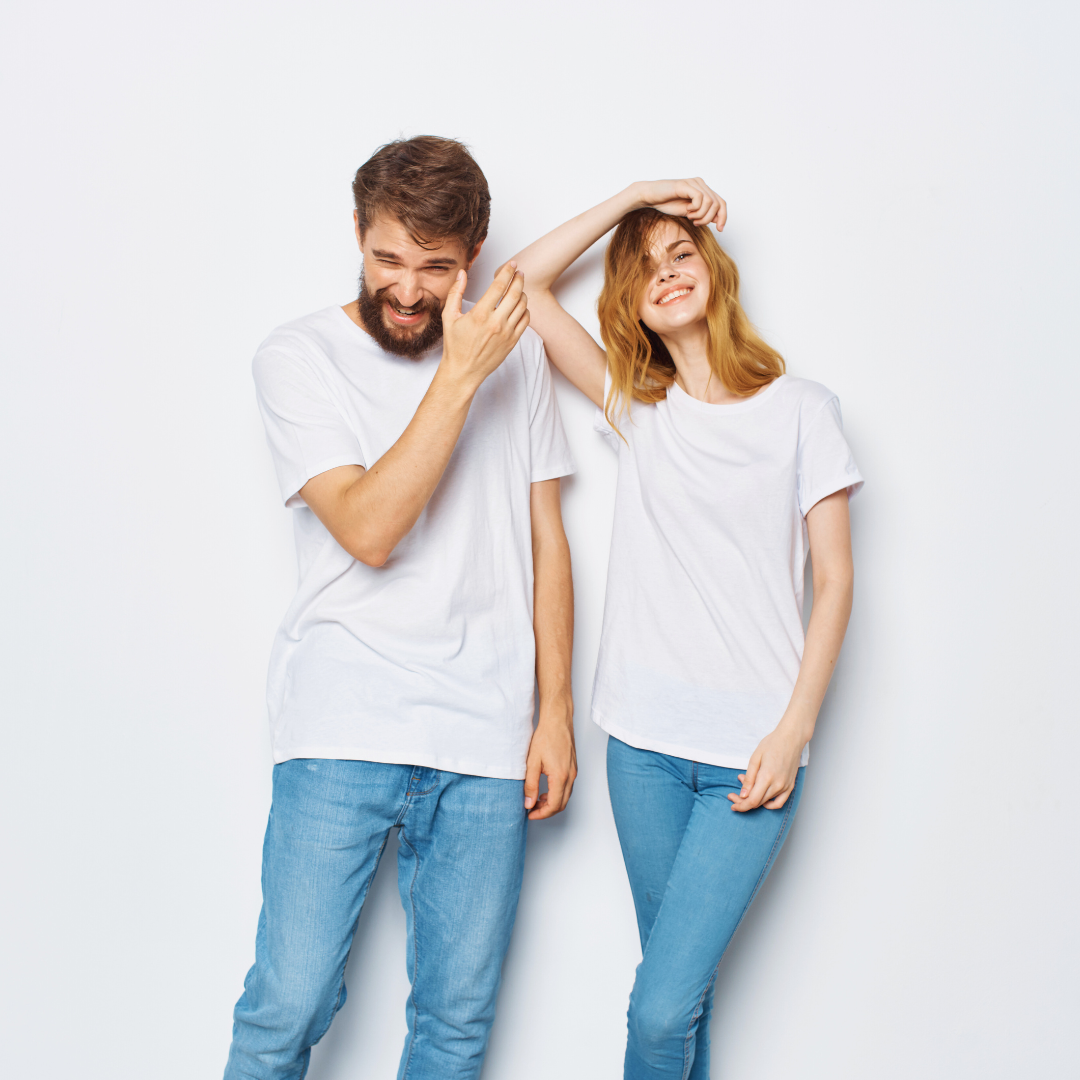
Genderless fashion is redefining streetwear by breaking down traditional gender boundaries and promoting clothing that suits everyone. This shift encourages more inclusive designs, with silhouettes and styles that prioritize comfort and individuality over gender norms.
As more brands embrace this approach, streetwear becomes a platform for self-expression without restrictions. The rise of genderless pieces has led to versatile wardrobes where items often once labeled for men or women now blend seamlessly.
This evolution reflects broader cultural changes, influencing not just what people wear but how they perceive identity. The impact on streetwear trends is significant, pushing the industry toward greater diversity and innovation.
Understanding Genderless Fashion in Streetwear
Genderless fashion challenges traditional clothing categories by blending and removing gender distinctions. It questions the norms embedded in fashion and introduces flexibility in style choices. This approach reshapes how streetwear designs are created and consumed.
Defining Genderless and Unisex Styles
Genderless fashion refers to clothing without design elements that signal a specific gender identity. It prioritizes inclusivity and neutrality by avoiding typical male or female markers like cuts, colors, and embellishments.
Unisex fashion, often overlapping, aims to fit multiple body types but sometimes retains subtle gendered features. Genderless focuses more on removing gender coding entirely, while unisex sometimes means a shared item adapted for all.
In streetwear, this means oversized silhouettes, simple color palettes, and versatile fabrics. Pieces like hoodies, loose pants, and jackets often ignore traditional menswear or womenswear boundaries.
Key Differences from Traditional Fashion
Traditional fashion enforces gender norms through structured fits, fabrics, and styling expectations. For example, men’s clothing often favors straighter cuts and darker colors, while women’s typically includes tailoring and softer materials.
Genderless streetwear rejects these distinctions by using shapes and details that work regardless of gender. It removes the concept that clothes should signal masculinity or femininity.
This shift encourages expression beyond social rules, making fashion more accessible. It also fosters sustainability by promoting timeless, durable items worn by any gender, reducing trend-driven consumption.
|
Aspect |
Traditional Fashion |
Genderless Fashion |
|
Fit |
Gender-specific tailoring |
Loose, adaptable fits |
|
Color Palette |
Gender-associated colors |
Neutral, versatile shades |
|
Styling |
Focus on masculinity/femininity |
Emphasis on comfort and identity |
The Evolution of Androgynous Style
Androgynous style precedes genderless fashion, but laid its foundation by mixing masculine and feminine traits. It often combined elements like men’s blazers with skirts or makeup for all genders.
While androgynous fashion highlighted a blend, a genderless style goes further. It discards the duality and aims for designs free from gender labels, focusing on function and self-expression.
This evolution gained momentum with shifts in social attitudes around gender fluidity and non-binary identities. Streetwear brands reflect this by releasing collections that consciously avoid gendered marketing and sizing systems.
The continued popularity of androgynous icons and neutral designs informs this progression, making genderless fashion a key influence on contemporary streetwear trends.
Cultural and Social Shifts Driving the Movement
Streetwear’s evolution reflects deep cultural shifts and changing attitudes toward gender norms. These transformations influence how individuals express identity and challenge traditional fashion boundaries.
Changing Perceptions of Gender in Fashion
Perceptions of gender in fashion are increasingly fluid, rejecting rigid binaries. Clothing once categorized strictly as “menswear” or “womenswear” now blends elements from both, emphasizing comfort and self-expression.
This shift stems from a broader societal acceptance of diverse gender identities. Brands and designers respond by creating collections that avoid gender-specific labels, encouraging personal choice over prescribed norms.
In streetwear, this means oversized fits, neutral palettes, and versatile designs that work for anyone. The distinction between masculine and feminine aesthetics diminishes, reshaping consumer expectations and market offerings.
The Influence of Gen Z and Social Media
Gen Z drives much of the demand for genderless streetwear. This generation values authenticity and inclusivity, often using fashion as a medium for social and political statements.
Social media platforms like TikTok and Instagram accelerate these trends by showcasing diverse styles in real-time. Influencers and everyday users promote looks that defy traditional gender categories, amplifying visibility and acceptance.
Brands leverage this dynamic by engaging directly with their consumers online. User-generated content and viral challenges fuel interest in gender-neutral collections, making streetwear a key platform for cultural dialogue.
Breaking Down Historical Barriers
Historically, fashion mirrored strict gender roles reinforced by social norms. Men’s and women’s streetwear followed clear, separate trends, reflecting broader gender expectations.
As these barriers dissolve, design practices adapt. Tailoring becomes more inclusive, and materials or cuts once reserved for one gender are shared broadly. This challenges the fashion industry’s long-standing compartmentalization.
Removing historical constraints allows streetwear to focus on functionality and creativity, rather than gender conformity. This freedom has encouraged innovation, expanding the possibilities for expression in everyday clothing.
Streetwear Brands Leading Genderless Fashion
Genderless streetwear blends style and inclusivity, driven by innovative brands and designers. It challenges traditional gender norms while influencing both high-end labels and fast fashion retailers to embrace fluidity.
Notable Genderless Streetwear Brands
Brands like Telfar, Pangaia, and Collina Strada emphasize unisex design, comfort, and sustainability. Telfar’s iconic shopping bags and loose-fitting apparel cater to all genders without distinction.
Pangaia focuses on eco-friendly materials paired with minimalistic, gender-neutral silhouettes. Collina Strada combines bold prints and relaxed fits, appealing to diverse identities beyond binary fashion.
These brands often prioritize ethical production while breaking down gendered clothing codes, encouraging consumers to explore identity through style rather than conform to predefined categories.
The Impact of Designers Like Vivienne Westwood
Vivienne Westwood’s influence lies in her longtime challenge to fashion’s gender divisions. She popularized punk aesthetics that blurred traditional gender lines through androgynous tailoring and provocative designs.
Westwood’s commitment to sustainability and rebellion aligns with streetwear’s ethos of identity expression. Her work laid the foundation for designers to infuse political and social commentary into genderless streetwear.
Her collections often feature oversized cuts, unisex accessories, and bold statements, making genderless fashion both a cultural and sartorial movement.
Retail and Fast Fashion Adaptation
Major fast fashion retailers like H&M and Uniqlo have introduced gender-neutral lines to meet rising demand. These affordable options offer basic silhouettes, such as oversized tees and wide-leg pants, that reject rigid gender roles.
Retailers use unisex collections to broaden their market appeal and reflect evolving consumer values. This shift also pressures traditional brands to adapt or risk losing relevance.
Fast fashion often downgrades complexity for volume, but it plays a critical role in normalizing genderless streetwear by making it accessible and widespread.
The Future of Streetwear in a Gender-Free Era
Streetwear is evolving with a clear push toward inclusivity and versatility. This transformation is driven by innovative designs, changing consumer attitudes, and shifts in industry priorities that prioritize gender-free fashion.
Trends Shaping Gender-Free Streetwear
Designers increasingly blur traditional gender lines by using neutral colors, oversized fits, and unisex silhouettes. Materials like durable denim and soft organic cotton dominate, chosen for comfort and adaptability. Accessories such as bucket hats and chunky sneakers have gained popularity by appealing to all genders equally.
Collaborations between brands and non-binary influencers influence collections, bringing fresh perspectives. Functional elements, like multi-pocket designs and adjustable features, support a wide range of body types. These trends emphasize expression over conformity, aligning with streetwear’s roots in individuality.
Consumer Behavior and Market Growth
Younger consumers, especially Gen Z, drive demand for gender-free streetwear. They seek brands that reflect their values on identity and inclusivity. Sales data show a significant increase in unisex apparel, with market expansion evident in both online and physical retail.
Consumers prioritize transparency and sustainability alongside gender neutrality. Brands that clearly communicate their commitment to inclusivity often see stronger loyalty. This shift encourages companies to rethink traditional marketing, focusing on community and authenticity rather than gender-based segmentation.
Broader Implications for the Fashion Industry
The rise of gender-free streetwear challenges the fashion calendar and retail models. Seasonal collections are becoming more fluid, with adaptable pieces designed for diverse users year-round. Retail spaces are reconfiguring to move away from gendered sections toward unified displays.
Supply chains are also adapting by sourcing materials that suit a diverse consumer base. Additionally, industry leaders must train design and sales teams to understand gender inclusivity. This evolution influences not just streetwear but the entire fashion industry’s approach to identity and consumer engagement.