
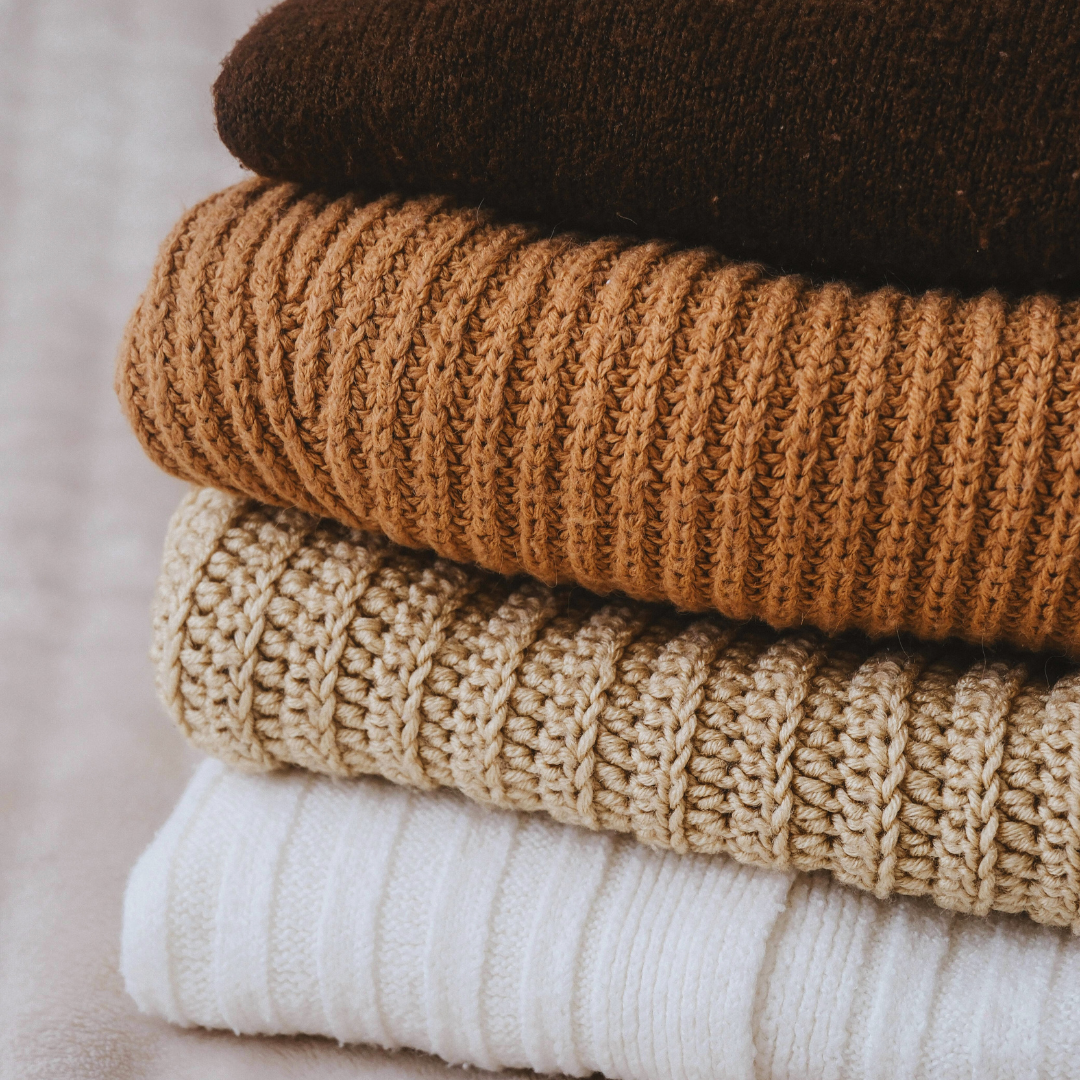
Choosing quality basics that last means focusing on durable materials, timeless design, and solid construction. It’s not about the trendiest piece but the ones built to withstand repeated wear and washing without losing shape or color.
Good quality basics use natural fibers like cotton, linen, and wool, combined with strong stitching and minimal embellishments. These elements ensure longevity and comfort, making them reliable foundation pieces in any wardrobe.
Understanding how to identify these features allows readers to invest wisely in clothing that stays functional and attractive over time. This knowledge shifts shopping from impulse to intentional choice.
Key Factors When Choosing Quality Basics
Choosing quality basics requires attention to fabric, durability, and how the garment is made. Equally important are fit and style choices that ensure the item remains useful over time.
Fabric Selection and Material Durability
The fabric determines the garment’s longevity and comfort. Cotton is favored for breathability and softness, but varies in quality depending on fiber length and weave. Long-staple cotton, like Egyptian or Pima, offers better strength and less pilling.
Wool is another durable option, providing warmth and natural odor resistance. Merino wool is fine and soft, suitable for basics that can be worn close to the skin. Look for tightly knit or woven fabrics, which resist stretching and wear.
Avoid blends with low-quality synthetics, as they typically degrade faster. Pure natural fibers or high-quality blends maintain structure and feel after multiple washes.
Construction Details and Finishing
Well-constructed basics last because of precise sewing and sturdy finishes. Check for reinforced seams, such as flat-felled or double-stitched ones. These add strength and reduce tearing.
Look at hems and edges; a clean, tight finish with no loose threads signals careful production. Collar and cuff construction influences how a shirt or sweater holds its shape over time.
Buttons should be securely attached; quality basics often use genuine materials like mother-of-pearl or metal. Zippers need smooth operation and durable teeth. Quality trumps flashy details in timeless basics.
Fit and Timeless Style
The fit affects both comfort and wearability. A classic, slightly tailored shape works best for basics because it flatters most body types without going out of style. Avoid overly tight or baggy fits that wear out quickly or become uncomfortable.
Timeless style means neutral colors and simple designs. Whites, blacks, navy, and grays pair easily with other items. Avoid logos, patterns, or trendy cuts that limit versatility.
Choosing pieces with these qualities ensures they remain wardrobe staples for years without frequent replacement.
How to Evaluate Different Types of Fabrics
Choosing the right fabric depends on understanding each material’s properties, durability, and care needs. Knowing how to spot quality fibers can help in selecting basics that hold up over time.
Benefits of Natural Fibers
Natural fibers like cotton and wool offer breathability and comfort that synthetic fabrics often lack. Cotton is lightweight and soft, making it ideal for warm weather and casual wear. Wool, on the other hand, provides excellent insulation and moisture-wicking, suited for cooler climates.
Both fibers are biodegradable and tend to age well if cared for properly. They also adapt better to body temperature changes compared to synthetic materials. However, natural fibers generally require more delicate washing to maintain their quality.
Identifying High-Quality Wool and Cotton
High-quality wool has a fine, even texture with minimal shedding. It should feel soft but resilient when touched. Merino wool is a common high-grade option known for its fine fibers and breathability. Check for consistent thickness in the yarn and tight weaving, which increases durability.
For cotton, long-staple varieties like Egyptian or Pima are key indicators of quality. These fibers create smoother, stronger fabric with less pilling. Look for a crisp hand feel and uniform weave. Dense stitching also helps fabrics resist stretching and wear.
Comparing Natural and Synthetic Materials
Synthetic fabrics, such as polyester or nylon, often offer increased durability and easy care. They resist wrinkles and shrinkage but typically lack the breathability and softness of natural fibers. Synthetics may feel less comfortable in hot weather and have less moisture control.
Natural fibers are preferred for their environmental benefits and comfort. However, synthetics can perform better in activities requiring stretch or heavy moisture exposure. Blends can combine these strengths, offering durability with improved breathability or softness.
Assessing Craftsmanship and Longevity
Evaluating quality basics involves focusing on construction details, material integrity, and durability indicators. Recognizing these factors helps identify items that maintain shape and function after repeated use.
Stitching, Seams, and Button Quality
Stitching should be tight, even, and straight without loose threads or skipped stitches. Double-stitched seams offer greater strength, especially in high-stress areas like shoulders and sides.
Buttons must be securely attached with strong thread, ideally reinforced with a backing fabric on the inside. Check if buttons are made from durable materials such as metal or thick plastic rather than cheap, brittle alternatives.
Look for reinforced seam finishes like flat-felled or bound seams, which reduce wear and prevent unraveling over time.
Label and Certification Checks
Labels may include information about manufacturing standards or certifications, such as OEKO-TEX or GOTS, signaling non-toxic and responsibly produced textiles. Brands that disclose detailed care instructions and fiber content show transparency and attention to quality.
Certification labels related to sustainability or fair labor practices can be an additional quality signal, though they do not guarantee durability. Labels should be durable themselves, not easily frayed or falling off after a few washes.
Signs of Wear-Resistant Basics
Basics designed to resist wear often feature pre-shrunk or ring-spun cotton that retains shape and softness. Look for fabrics with higher thread counts or blended fibers like cotton-polyester mixes that improve strength but maintain breathability.
Test fabric recovery by gently stretching it; materials that snap back indicate good elasticity. Avoid fabrics that pill easily or fade quickly — those are signs of lower-quality fibers.
Reinforced areas such as elbows, underarms, or hems also extend the garment’s lifespan by reducing the risk of holes or tears.
Making Smart, Sustainable Purchases
Choosing quality basics requires attention to how pieces fit within a functional wardrobe, their environmental impact, and their long-term use. The following details focus on selecting items that balance style, durability, and responsibility.
Prioritizing Versatility in Basics
Versatility is key when selecting quality basics. Items that transition seamlessly from casual to formal settings reduce the need for multiple pieces.
Look for neutral colors like black, white, navy, and gray. These shades pair easily with various outfits.
Choose classic cuts and simple designs that don’t follow fleeting trends. A well-fitted white shirt or tailored black trousers offer multiple styling options.
Consider fabric weight and texture. Medium-weight cotton or wool blends perform well across seasons, increasing wearability.
Eco-Friendly Shopping Considerations
Sustainable shopping means assessing the environmental footprint of materials and production methods.
Natural fibers such as organic cotton, linen, and Tencel are preferable to synthetic fabrics that shed microplastics.
Check for certifications like GOTS (Global Organic Textile Standard) or Fair Trade labels to ensure responsible manufacturing.
Buying from brands with transparent supply chains helps verify ethical labor practices and reduces environmental harm.
Avoid overconsumption by choosing well-made basics that last rather than fast fashion items.
Building a Capsule Wardrobe with Lasting Pieces
A capsule wardrobe focuses on a limited selection of quality basics that complement each other.
Select pieces that can be layered or mixed easily, minimizing excess garments.
Invest in sturdy construction—double stitching, quality zippers, and reinforced seams extend a garment’s lifespan.
Keep care instructions in mind. Basics made from durable fabrics that withstand regular washing without losing shape or color are ideal.
Rotate and replace items thoughtfully to maintain a functional and sustainable wardrobe.