
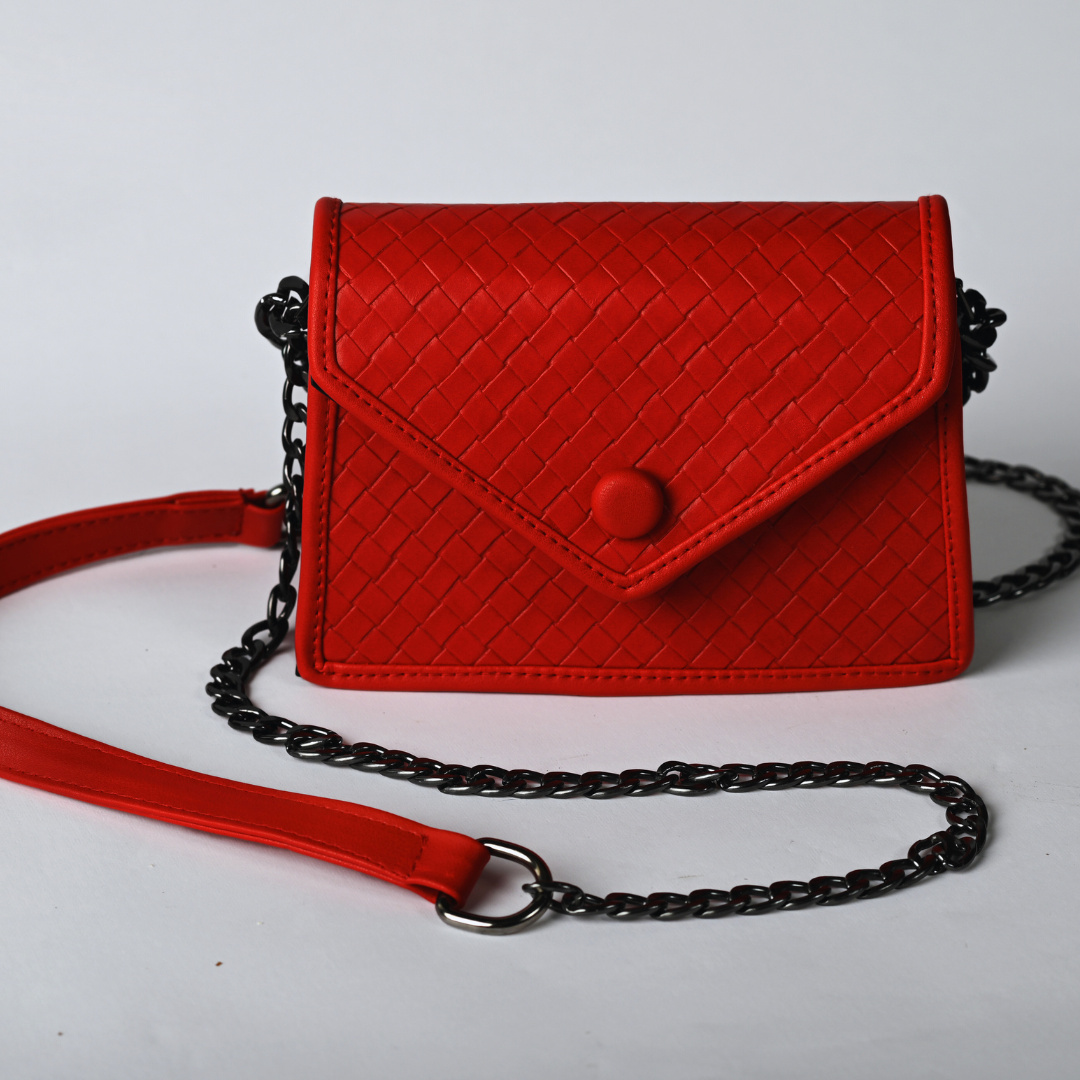
Choosing a designer handbag requires careful consideration of several factors. Budget, brand reputation, authenticity, and intended use all play crucial roles in making a wise purchase. Understanding these aspects helps avoid common pitfalls and ensures the handbag is a valuable addition.
The buyer should assess the handbag’s style and practicality, weighing how it fits with their wardrobe and lifestyle. Researching materials and craftsmanship can reveal quality that justifies the cost. These practical steps create a clearer picture of what to expect.
It’s also important to verify authenticity to prevent counterfeit purchases. Checking resale value and warranty policies can protect the investment. These preparations offer confidence and satisfaction in selecting the right designer handbag.
Defining Your Purpose And Budget
Before buying a designer handbag, understanding the specific purpose and financial limits helps focus the search. This includes setting a clear budget, recognizing how often and where the bag will be used, and aligning the choice with one’s lifestyle.
Establishing Your Budget
Deciding on a budget is crucial when purchasing a designer handbag. It helps narrow down options and prevents overspending. For a first designer bag or first luxury handbag, it’s important to consider costs beyond the purchase price, such as care and insurance.
Budgets for designer handbags vary widely, often starting around $1,000 and climbing past $5,000 for certain brands. Setting a maximum spend ensures the buyer can focus on bags within a realistic financial range. They should also factor in resale value if they plan to upgrade in the future.
Identifying Usage Needs
A designer handbag’s functionality depends on its intended use. If the bag is for daily wear, durability, size, and comfort become priorities. A clutch or small bag might suit occasional events, while a tote or satchel works better for work or travel.
Considering compartments and accessibility is important. For example, someone needing to carry tech gear or documents should look for structured bags with multiple sections. A handbag’s material also matters: leather withstands wear better but may require more care.
Lifestyle Considerations
Lifestyle heavily influences handbag choice. Active individuals might prefer lightweight or crossbody styles that allow hands-free movement. Those with formal jobs may lean toward classic, understated designs aligned with professional attire.
It’s wise to consider the climate as well. A resident of humid regions might avoid delicate materials prone to damage. Seasonal changes can affect handbag usability and condition. By matching a designer handbag to lifestyle specifics, the buyer enhances satisfaction and practicality.
Evaluating Design, Size, And Style
Choosing a designer handbag depends on how its design matches daily needs and personal taste. Size and style directly affect its practicality and long-term usability. Color and versatility are also essential for fitting the bag into various outfits and occasions.
Choosing The Right Design For You
Design influences both function and appearance. For example, someone who carries work essentials may prefer structured tote bags with compartments. Others might opt for a minimalist design if they need something lighter or less bulky.
Material plays a role in design choice. Leather tote bags, for example, are durable but heavier, while canvas options may offer a casual, lighter feel. Hardware and detailing should suit personal style but also ensure durability.
Functionality matters. A designer bag with secure closures and intuitive pockets enhances daily use. Buyers should consider whether the design supports carrying essentials without feeling cramped.
Selecting The Appropriate Size
Size determines how much the bag can hold and impacts comfort. Tote bags are often larger and suitable for carrying laptops, documents, or other items. Smaller designer handbags might work better for minimal essentials.
Measure typical daily items before choosing a size. Some prefer compact bags for events, while larger tote bags serve well for errands or work. Overly large bags can feel cumbersome, and too-small bags might not meet needs.
Size also affects appearance. Large bags make strong style statements but may not suit formal settings. Small bags can look elegant but risk impracticality for everyday use.
Timeless Versus Trendy Styles
Timeless styles hold value and relevance over the years. Classic shapes, like a simple leather tote bag or a well-known brand’s signature silhouette, are less likely to go out of fashion. These are investment pieces.
Trendy styles reflect current fashion but may have shorter lifespans. They often feature bold colors, unique hardware, or unusual shapes. Buyers choosing trendy designs should expect possible resale devaluation.
Deciding between these depends on wardrobe needs and budget. A mix of one or two timeless handbags with one trendy piece is practical. This approach balances personal expression with long-term use.
Considering Color And Versatility
Color affects how often a handbag complements outfits. Neutral colors like black, brown, or beige increase versatility and suit most occasions. Bright or patterned bags attract attention but limit pairing options.
Evaluate lifestyle and wardrobe colors before selecting a tote bag color. Matching the handbag with most outfits maximizes use. A vibrant designer bag might serve as a statement piece, but it requires coordinated clothing.
Durability of color is important, too. Light colors show stains and wear faster. Darker or treated leather can better maintain its appearance over time. Buyers should balance aesthetic preferences with practical use.
Assessing Quality, Materials, And Authenticity
A buyer must carefully evaluate the materials, craftsmanship, and authenticity before purchasing a designer handbag. Understanding these elements helps ensure the handbag is a genuine luxury product built to last and worth the investment.
Material Selection And Durability
Most designer handbags use high-quality materials such as full-grain leather, exotic skins, or durable canvas. Full-grain leather ages well, developing a patina, while coated canvases often resist water and stains better.
The choice affects longevity. Genuine leather should feel supple and firm, not plasticky or stiff. Look for consistent grain and stitching on the surface.
Durability also depends on hardware—solid brass or stainless steel components outlast cheaper alloys. Lightweight plastic parts often indicate lower quality.
Examining Craftsmanship
Craftsmanship is visible in stitching, edges, and hardware attachment. Even tight stitches without loose threads signal skilled assembly.
Edges should be cleanly finished—burnished or sealed to prevent fraying. Designer handbags rarely have wide seams or misaligned patterns.
Hardware must be securely fixed and free of scratches or discoloration. Zippers should glide smoothly without sticking.
High-end brands maintain strict production standards, which translate into visible quality in every detail.
Checking For Authenticity
Authenticity is crucial due to counterfeit risks. Buyers should verify serial numbers, authenticity cards, and brand-specific markings.
Logos must match official fonts and placement perfectly. Misspellings or uneven embossing are signs of fakes.
Checking packaging quality, receipts, and purchase locations also helps confirm legitimacy. Many brands offer online authentication services.
Maintenance And Care Requirements
Luxury handbags require routine care to maintain appearance and value. This includes cleaning with appropriate products based on material type.
Leather conditioners prevent drying and cracking, while microfiber cloths should be used for delicate surfaces. Avoid harsh chemicals.
Proper storage—using dust bags and avoiding direct sunlight—is essential. Designers often provide specific care instructions for their bags, which should be followed precisely.
Long-Term Value And Resale Potential
Designer handbags often hold value beyond their initial purchase price. Factors like brand reputation, rarity, and condition influence their worth over time. Understanding these elements helps buyers evaluate the financial side of owning a designer bag.
Investment Value Of Designer Bags
Certain designer handbags appreciate or retain value, especially from brands like Hermès, Chanel, and Louis Vuitton. Bags such as the Hermès Birkin or Chanel Classic Flap often become coveted assets due to consistent demand.
Buyers should focus on iconic styles and limited-production pieces. Condition heavily impacts value—well-maintained bags fetch better prices. Original packaging and authentication documents also boost resale potential.
Not all designer handbags gain value, so buyers should research historical price trends and avoid impulse purchases. Tracking model-specific performance can clarify whether a first designer bag is an investment or primarily a fashion purchase.
Resale Market Insights
The resale market for designer handbags is robust, with platforms like The RealReal, Fashionphile, and Vestiaire Collective facilitating secure transactions. Prices depend on brand, style, condition, and market trends.
Buyers should note that bags with visible wear or nonexistent proof of authenticity may suffer steep discounts. Timely sales when demand is high can maximize returns.
Prices fluctuate, so understanding peak selling periods is useful. For example, holiday seasons and fashion cycle shifts affect demand and pricing. Resale values are generally higher for bags bought new rather than secondhand.
Exclusivity And Limited Editions
Limited-edition handbags create scarcity, driving higher resale prices. Collaborations or seasonal releases often generate hype that sustains interest beyond retail availability.
Exclusivity also ties into craftsmanship and unique materials, which collectors prize. A first designer bag from a limited run tends to attract attention from both wearers and investors.
Brand strategies promoting exclusivity, like waitlists and selective distribution, increase desirability. Buyers targeting long-term value should prioritize these rare models over standard collections.