
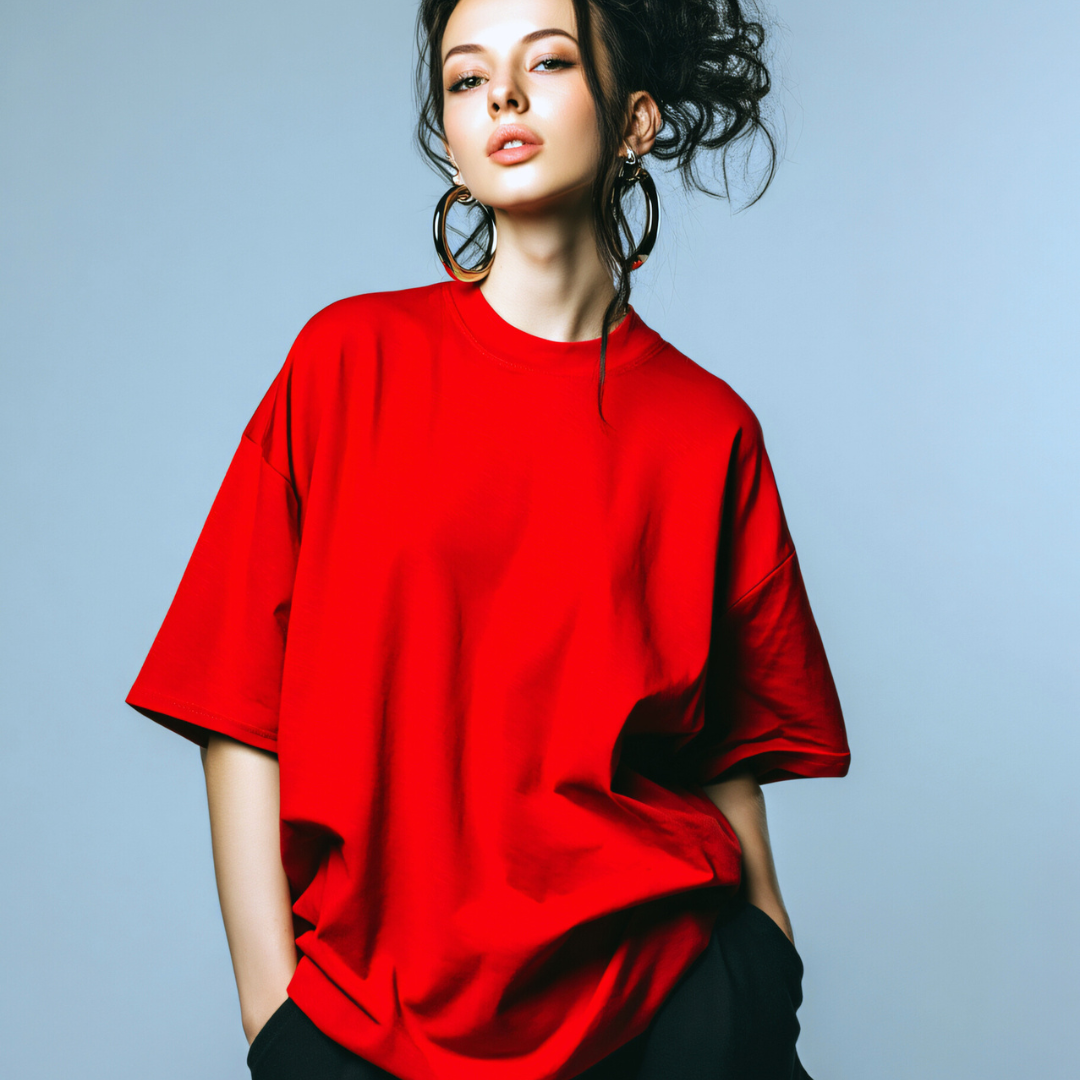
Oversized fashion has gained significant popularity for its comfort and bold aesthetic. This trend challenges traditional fits by embracing looser, more relaxed silhouettes that allow for both style and ease. The key to wearing oversized clothing successfully is balancing proportions and choosing the right pieces that complement rather than overwhelm the wearer’s frame.
People adopt oversized fashion for various reasons—from making a statement to prioritizing comfort without sacrificing style. It’s about mixing large garments with fitted ones or layering thoughtfully. Understanding how to pair oversized items ensures the look remains intentional and polished.
This trend is adaptable across seasons and settings, making it a versatile choice in modern wardrobes. Whether it’s oversized coats, shirts, or pants, wearing them well involves mindful styling that keeps the overall look cohesive and flattering.
The Evolution and Significance of Oversized Fashion
Oversized fashion has grown from niche cultural trends into a mainstream style embraced for its comfort, versatility, and statement-making qualities. This rise connects with social movements and shifts in aesthetic values, impacting how people choose baggy jeans, oversized t-shirts, and jerseys.
Origins in Hip-Hop and Grunge
Oversized clothing first gained broad attention through hip-hop culture in the 1980s and 1990s. Baggy jeans and oversized jerseys were practical for movement and became symbols of rebellion and identity. Rappers and breakdancers popularized these garments, blending comfort with a distinct urban style.
Simultaneously, the grunge movement of the early 1990s adopted oversized fashion, favoring loose flannel shirts and baggy pants that contrasted sharply with the tight-fitting silhouettes of earlier decades. This style reflected anti-establishment attitudes and casual authenticity.
Hip-hop and grunge gave oversized fashion a cultural weight, linking it to youth identity, music, and countercultural statements beyond mere appearance.
Shift Toward Comfort and Body Positivity
In recent years, oversized clothing has become synonymous with comfort and inclusivity. The preference for loose fits like oversized t-shirts and baggy jeans acknowledges the demand for practical, breathable fashion in daily life.
Oversized garments also play a role in body positivity. They allow individuals of different sizes to express style without emphasizing traditional body shapes. The flexibility of oversized pieces reduces pressure to conform to tight or restrictive clothing.
This shift reflects wider social changes where fashion serves the needs and comfort of the wearer, rather than strict adherence to industry-driven silhouettes.
Oversized Fashion as Social and Cultural Expression
Today, oversized fashion acts as a platform for social and cultural messages. It often challenges norms around beauty, gender, and identity. Wearing oversized clothing can be a deliberate statement about rejecting conventional expectations or embracing fluidity in style.
Designers incorporate oversized t-shirts and jerseys with bold graphics and logos to underline group affiliations or viewpoints. This makes the fashion not just functional but communicative.
In urban and high-fashion contexts alike, oversized clothing signals awareness of heritage and modernity, blending past influences with present social values.
Essential Oversized Clothing Styles
Oversized fashion offers diverse options, from tops to outerwear, that combine comfort with style. The key is balancing volume while maintaining a polished look through thoughtful layering and pairing.
Popular Oversized Tops
Oversized tops are the foundation of this trend. Oversized t-shirts and tees provide a casual, relaxed base and work well tucked into high-waisted pants or left loose for a streetwear vibe.
Oversized button-down shirts add versatility by blending a structured silhouette with roomy comfort. They can be worn open over fitted pieces or buttoned up for a more intentional oversized look.
In colder months, sweatshirts and oversized sweaters stand out for their cozy feel. Chunky knits emphasize volume while allowing layering underneath. Choosing neutral or basic colors helps keep the outfit sophisticated.
Statement Bottoms and Dresses
Baggy jeans complement oversized tops by maintaining proportion without overwhelming the frame. Straight-leg or wide-leg cuts enhance the laid-back aesthetic, especially when paired with fitted shoes.
For dresses, maxi dresses with loose cuts embody the oversized trend elegantly. These flowing pieces emphasize ease and movement while allowing room for accessories like belts to define the waist.
Oversized dresses present a balanced look when combined with tighter or more structured items on top or bottom, making them versatile for different occasions and seasons.
Key Outerwear and Blazers
Oversized blazers are central to upgrading oversized fashion into smart, polished territory. They create strong silhouettes when paired with tapered pants or slim skirts.
Layering an oversized blazer over an oversized shirt or lightweight sweatshirt blends structure with relaxed comfort effectively.
Other oversized outerwear, such as long coats or loose bombers, serve as statement pieces that add shape and dimension without compromising the oversized aesthetic. Choosing the right fit and fabric ensures cohesion in any ensemble.
How to Wear Oversized Pieces with Style
Wearing oversized clothes requires attention to balance, shape, and texture to maintain a polished appearance. Combining large volumes with fitted items and layering strategically helps create defined looks without overwhelming the frame.
Proportion and Silhouette Tips
Maintaining good proportion is essential when styling oversized pieces. For example, pairing an oversized shirt with skinny jeans helps balance volume on top with a slim silhouette below. This contrast prevents the outfit from appearing shapeless or bulky.
When working with oversized sweatshirts or tees, consider tucking them partially into pants or skirts to create a waistline. This technique introduces definition while preserving the relaxed fit of the oversized style. Avoid oversized garments that cover the entire body without differentiation, as they can obscure natural body shape.
Shapes that flare out too much can be tempered with structured accessories like belts or tailored jackets, helping preserve a clear silhouette. Keeping one element oversized while the rest of the outfit remains streamlined offers visual balance and style clarity.
Mixing Oversized with Fitted Items
Combining oversized and fitted pieces is a practical way to style oversized clothes effectively. An oversized tee worn over skinny jeans creates a clean contrast and prevents the outfit from looking sloppy. This mix highlights one part of the body while letting the oversized piece stand out.
Fitted bottoms, like leggings or tailored pants, ground the outfit when paired with large sweatshirts or oversized shirts. Conversely, fitted tops work well under wide-legged oversized pants to maintain body shape and add proportion.
Accessories should also complement this balance. Slim, minimal jewelry or tight scarves can offset the looseness of oversized clothes. When mixing these elements, avoid layering multiple oversized pieces together, as it often results in a bulky, undefined look.
Layering Techniques
Layering oversized garments effectively requires mindful style choices. For instance, wearing a fitted turtleneck under an oversized sweatshirt adds warmth and texture without adding bulk. This approach also adds dimension to the outfit.
Layering an oversized shirt over a slim tank or cropped top breaks up the fabric mass and highlights layering creativity. Oversized tees paired with long, fitted coats help distribute volume evenly.
Footwear plays a role, too. Pairing chunky sneakers or boots with oversized pants maintains harmony, while delicate shoes can emphasize imbalance. Lastly, layering with belts or structured jackets can transform oversized pieces into tailored, versatile layers.
The Future of Oversized Fashion and Personal Expression
Oversized fashion is evolving with advances in material technology and shifting cultural attitudes toward clothing. Its adaptability across age groups positions it as a lasting presence in personal style choices.
Sustainability and Fabric Innovations
Sustainability is driving fabric innovation in oversized clothing. Brands increasingly use organic cotton, recycled polyester, and biodegradable fibers to reduce environmental impact. These materials maintain the loose, comfortable fit characteristic of oversized styles without compromising durability.
Innovations like waterless dyeing and zero-waste patterns are becoming more common. They help decrease pollution and fabric waste, addressing key concerns in fashion trends. These practices make oversized fashion options more environmentally responsible and accessible.
Additionally, some companies explore biodegradable synthetic fabrics that degrade faster than traditional materials. Such advances will expand oversized fashion’s future, combining eco-friendly design with style.
Oversized Fashion Across Generations
Oversized fashion appeals broadly, from teenagers seeking self-expression to older adults prioritizing comfort. Each generation adapts oversized styles to fit their identity and lifestyle needs.
Younger consumers embrace oversized clothing for its rebellious, trend-forward qualities. They often mix loose pieces with tailored items for balance. Meanwhile, older generations prefer oversized fashion for ease of movement and layering options.
Retailers respond by offering versatile oversized collections that accommodate this diverse demand. This cross-generational interest strengthens oversized fashion’s role as a tool for personal expression. It highlights clothing’s function beyond aesthetics to practical and emotional comfort.