
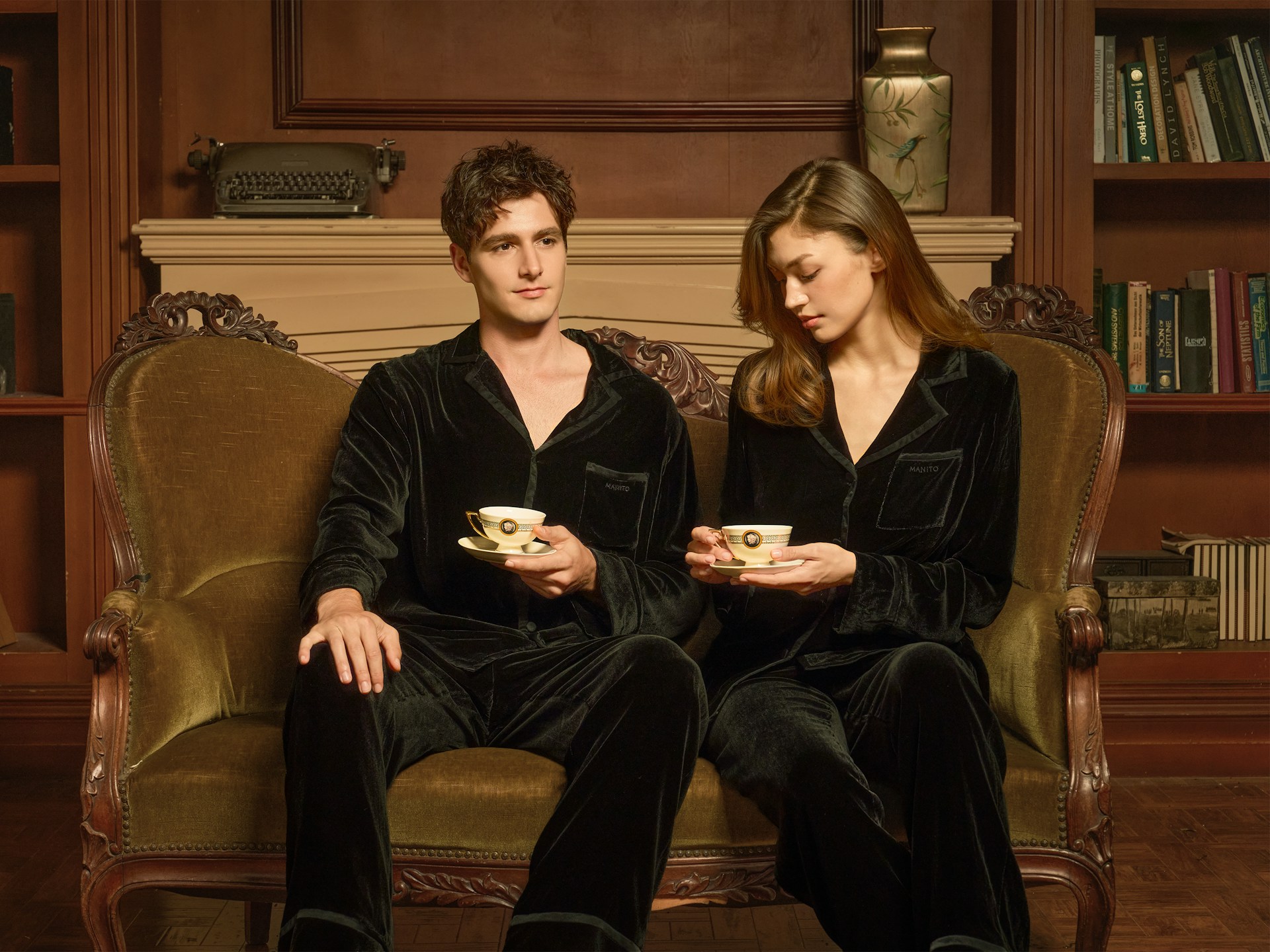
Many individuals do not purchase new essential items out of choice – the reality is that they only do so when the fabric wears out, the seams tear, or the color fades after multiple washes. This isn’t normal wear and tear. It’s poor-quality manufacturing finally getting the best of you. And, identifying the distinction before making your purchase is the most important skill to acquire when developing a wardrobe that doesn’t require frequent replacements.
What fiber type actually tells you
When it comes to fashion, people usually talk about how something looks but the fiber content label is the place where the real longevity of a product lives. Cellulose-based fibers like bamboo viscose, modal, and Pima cotton are made of longer staple lengths than your typical cheap polyester blend. The longer the staple, the yarn is twisted from fewer and longer strands, thus producing a smoother surface that resists pilling. And pilling is almost always the first cue that the short-staple fibers are breaking down. Once you see those small balls forming on the surface, they’re done.
Synthetic fibers aren’t the enemy of longevity by default – no one wants that look. A polyester-spandex blend in your activewear makes sense because it doesn’t give under tension. But in your everyday basics and loungewear, the typical cheap polyester makes you hot, stinks in no time, and just breaks down its surface texture. Cellulose wicks moisture, breathes, and holds its hand feel wash after wash.
Viscose from bamboo is great fiber to see this in action. Done correctly, it’s somewhere between the hand of silk and better moisture managing properties of cotton. And for any clothing worn against the skin or during sleep, this matters more than most purchasers ever realize. Comfortable Bamboo Jammers are a great real-life example of this – crafted for sleep and comfort, where the quality of the fabric really determines how long the item is going to perform and feel good.
How to physically inspect a garment before you buy
Check the transparency of the fabric by holding it against the light. If light filters through the fabric quite easily, it’s a loosely woven knit that will become thin after a few washes. A tightly woven knit blocks most of the light and tends to retain its weight over time. This test works for t-shirts, casual pants, and any knit basic.
Then, the stretch test. Gently pull the fabric in both directions. When you release, it should spring back to its original shape immediately. If the fabric stays stretched out, the elastic recovery is poor, and the garment will lose its shape very soon – usually within the first few months of wear.
GSM – grams per square meter. For t-shirts, anything under 150 gsm feels too lightweight and wears out quickly. The good mid-weight basics are between 180 and 220 gsm. You won’t always find this information on a label in the store, but brands who take pride in the construction will make sure to include it.
What the seams tell you
Now, invert the clothing. What’s hidden inside can reveal more than what’s on the outside. Be on the lookout for overlock stitching along the edge of the seams – that’s the zig-zag or looped stitch that helps ensure the raw fabric edges don’t unravel. If it’s not there, you’ll find that the seams come loose from the garment after just a few washes.
Flatlock seams – commonly found in high-quality basics and activewear – are flat against the skin and can take the stress at the shoulders and underarms without creating irritations or coming apart. The seams of cheaply made garments are usually single-stitched hems, which are the first to unravel. Double-stitched or turned-and-stitched hems are guaranteed to last longer.
The cost-per-wear argument
On average, the number of times a piece of clothing is worn before it is discarded has decreased by 36% in the last 15 years. Not only is that a waste problem, but it’s a cost problem for the buyer too.
Something that costs twice as much but lasts four times as long is objectively cheaper to own. Cost-per-wear is the metric that makes this clear. A $15 t-shirt worn 20 times before it falls apart costs $0.75 per wear. A $40 shirt you wear 150 times costs $0.27. The math is simple once you start doing it.
This is the basic premise of slow fashion – you’re not paying more for the sake of it, you’re paying once for something that’ll be in regular use for years.
Skip the details that break first
Fashionable designs become old-fashioned quickly and you often end up needing a replacement even before the material wears out. In addition, too much hardware like metal zippers, decorative grommets, and heavy embellishments can create weak points where the machinery will break down even if the material doesn’t. On the other hand, a simple outline in quality material with solid construction will outlast any product with intricate details.
It also makes sense to check if a garment’s color is fast. Quality dyes won’t bleed or lose color in the first few washes. The dye was wrong if a piece fades significantly after two or three trips to the laundry – and you won’t want to wear a faded piece of plain clothing.