
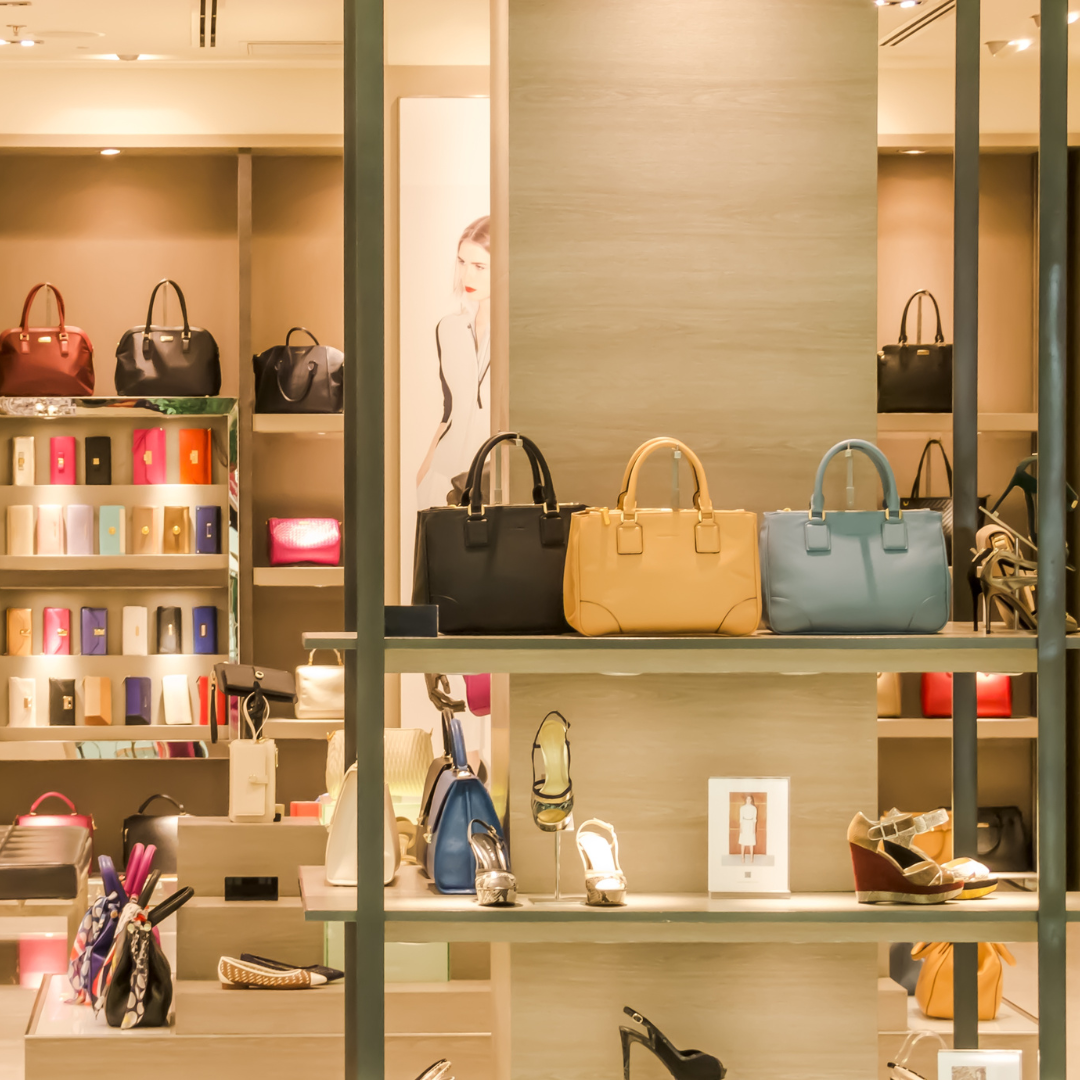
Luxury fashion houses set trends that ripple through the global market, influencing everything from streetwear to high-end retail. Their designs, marketing strategies, and cultural partnerships shape what consumers desire and wear worldwide.
They establish aesthetic standards and innovation benchmarks that other brands and designers follow, effectively guiding global style. Through runway shows, celebrity endorsements, and social media presence, these houses amplify their reach and impact across diverse fashion scenes.
This influence is not limited to clothing but extends to lifestyle, beauty, and even attitudes towards craftsmanship and sustainability, making luxury brands pivotal players in defining modern style.
Foundations of Luxury Fashion House Influence
Luxury fashion houses shape global style through clear definitions, distinct brand elements, and careful balance between elegance and comfort. Their influence extends beyond clothing to lifestyle and consumer expectations worldwide.
Defining Luxury Fashion Houses
Luxury fashion houses are identified by their heritage, craftsmanship, and exclusivity. These brands typically have a long history, producing limited quantities of high-quality items made with premium materials.
They aim to create timeless pieces rather than follow transient trends. The value lies in meticulous design, skilled artisanship, and brand prestige. Examples include Chanel, Gucci, and Louis Vuitton, which maintain strong identities tied to tradition and innovation.
This exclusivity attracts fashion enthusiasts who seek status and authenticity. By offering unique products that symbolize wealth and taste, luxury brands set trends that influence broader markets.
Key Elements of Influence in Global Style
Luxury fashion houses influence style through visibility, innovation, and cultural engagement. Their runway shows, celebrity endorsements, and collaborations introduce new aesthetics that quickly spread worldwide.
Two key elements are innovation and visibility. Innovation comes from experimental designs and reinterpretation of classic motifs. Visibility is maintained by strategic marketing and positioning in fashion capitals.
A luxury brand’s consistent quality and identity drive consumer desire, encouraging imitation and adaptation by mass-market brands. This trickle-down effect shapes everyday fashion across different cultures and socioeconomic groups.
| Element | Description | Impact |
| Innovation | New designs, materials, and cuts | Sets trend directions |
| Visibility | Publicity, shows, and endorsements | Establishes brand presence |
| Quality & Identity | Craftsmanship and heritage | Builds consumer trust |
Role of Elegance and Comfort in Brand Positioning
Elegance in luxury fashion is about refined, understated design that conveys sophistication. Comfort, recently emphasized, ensures wearability alongside style.
Luxury brands balance these qualities to appeal broadly. Elegance supports the brand’s aspirational image, while comfort addresses the practical needs of modern consumers.
This balance influences how brands position themselves in the market. Fashion enthusiasts value pieces that look prestigious but remain wearable in diverse settings.
Luxury houses invest in fabrics and tailoring techniques that enhance comfort without sacrificing elegance. This dual focus strengthens brand loyalty and extends influence beyond purely aesthetic appeal.
Signature Styles and Craftsmanship
Luxury fashion houses define their status through meticulous attention to detail and unique stylistic markers. Their influence arises from exceptional methods and dedication to materials, blending tradition with modernity to set global trends.
Artisanal Techniques and Luxury Craftsmanship
Luxury brands prioritize artisanal skills that have been refined over decades or centuries. Techniques like hand-embroidery, precise tailoring, and hand-finished detailing distinguish their pieces.
Brands such as Chanel emphasize hand-sewn pearls and intricate lacework, highlighting craftsmanship that machines cannot replicate. The use of rare fabrics and traditional dyeing methods further enhances exclusivity.
These craftsmanship standards require master artisans, often trained in specialized ateliers, to execute complex designs. This commitment ensures quality and lasting appeal that shapes the expectations of the luxury market.
Heritage and Innovation in Iconic Brands
Heritage is a crucial asset for houses like Dior and Chanel, which incorporate historical elements in signature collections. They maintain classic silhouettes while steadily introducing innovative materials or fresh design interpretations.
For example, Dior’s recent collections merge its iconic “Bar Jacket” with cutting-edge textile technology to improve comfort and sustainability without sacrificing elegance. Chanel balances its timeless tweed suits with contemporary cuts and accessorizing trends.
This fusion of heritage and innovation builds continuity, ensuring that the brands remain relevant while respecting their foundational aesthetic. It anchors global style by setting standards others aspire to meet.
Haute Couture and the Tradition of Excellence
French haute couture is the highest expression of luxury craftsmanship, governed by strict criteria regarding custom-fitted designs and handmade construction. Chanel and Dior are leaders in this tradition, showcasing artistry through unique, one-of-a-kind garments.
Haute couture requires weeks of labor-intensive work, from selecting fabrics to final fittings, emphasizing fit, finish, and exclusivity. It serves not only as a symbol of prestige but also as a research ground for luxury trends that diffuse into ready-to-wear lines.
The haute couture tradition enshrines meticulous artistry as a benchmark. It sustains the perception of luxury as synonymous with exceptional skill, rarity, and artistic value worldwide.
Regional Powerhouses Shaping Global Trends
Luxury fashion houses in Europe drive much of the global style direction by combining innovation with heritage. Their influence spans from design aesthetics to manufacturing standards, shaping consumer expectations worldwide. Each region brings distinct qualities that elevate local fashion capitals into global trendsetters.
Italian Fashion Houses and Milan’s Global Impact
Italian luxury brands, such as Gucci, Prada, and Versace, anchor Milan as a world fashion capital. They emphasize craftsmanship, quality materials, and bold design choices that reflect Italy’s cultural richness.
Milan Fashion Week highlights these brands’ new collections, setting trends in color palettes, fabric blends, and silhouettes. Italian fashion is known for sophisticated tailoring coupled with a daring edge, merging tradition with modern demands.
Italian luxury’s global reach also relies on Milan’s infrastructure supporting manufacturing excellence and global distribution. This synergy helps Italian houses maintain their leadership in luxury fashion while continually innovating.
The Legacy of French Luxury Brands
France’s fashion houses, though not listed here, have shaped luxe style also; however, their impact is distinct from Italy’s. Their identity leans more on timeless elegance, haute couture craftsmanship, and brand heritage.
French luxury fashion emphasizes refined silhouettes and decorous aesthetics. It builds on extended histories of savoir-faire and opulence, appealing particularly in haute couture and premium ready-to-wear markets.
The cultural weight carried by French brands sustains Paris’s position alongside Milan. Their influence continues through marketing strength and adherence to traditional luxury standards, which drive consumer loyalty globally.
British Luxury Fashion: Tradition Meets Modernity
British fashion, represented by labels like Burberry, balances heritage and innovation. Known for iconic items such as the trench coat, British brands emphasize functionality combined with timeless design.
Burberry’s reinvention of heritage pieces with contemporary fabrics and cuts appeals globally. British fashion mixes royal tradition, street style, and craftsmanship, influencing both luxury markets and ready-to-wear sectors.
London Fashion Week often showcases this mixture of classic and avant-garde. The city plays a significant role in setting trends that merge tradition with progressive design concepts.
Influence of Vibrant Prints and Avant-Garde Designs
Luxury houses across regions experiment with vibrant prints and avant-garde designs to refresh the fashion landscape. Italian brands, especially, use bold colors and patterns to combine heritage with cutting-edge style.
Avant-garde elements challenge conventional shapes and fabrics, appealing to niche markets and fashion-forward consumers. These designs push boundaries in runway shows and influence mainstream fashion in subsequent seasons.
This approach promotes artistic expression within luxury fashion and reflects evolving consumer tastes. It also strengthens the cultural cachet and global appeal of key fashion capitals like Milan.
Luxury Fashion Houses and the Evolution of Global Style
Luxury fashion houses shape trends, consumer choices, and accessibility within the global fashion ecosystem. Their influence extends through the direct creation of new styles, shifting perceptions of value, and balancing exclusivity with wider market reach.
Setting and Transforming Global Fashion Trends
Luxury brands like Chanel, Gucci, and Louis Vuitton dictate seasonal colors, silhouettes, and materials that ripple through global fashion. Their runway shows often preview trends later adopted by mass-market brands.
They innovate by mixing heritage with modernity, making their designs both timeless and current. This duality ensures their styles endure beyond fleeting fads.
The international presence of these houses enables styles to cross borders quickly. Their collaborations with artists and designers also introduce fresh ideas that transform the fashion landscape worldwide.
Impact on Consumer Behavior and Fashion Enthusiasts
Luxury houses influence consumer purchase decisions by creating aspirational value and strong brand loyalty. They appeal to fashion enthusiasts seeking authenticity, craftsmanship, and status.
Limited edition releases and exclusive collections heighten demand. Consumers often equate luxury brand ownership with social recognition and personal success.
Fashion enthusiasts follow runway trends and celebrity endorsements to stay updated. Social media amplifies this, turning luxury releases into global events with immediate consumer reactions.
The Dynamic Between Exclusivity and Accessibility
Luxury brands maintain exclusivity through limited quantities, high prices, and selective distribution channels. This strategy sustains brand prestige and desirability.
At the same time, some brands expand accessibility via diffusion lines, collaborations with streetwear labels, or online platforms. This creates a broader customer base without diluting core brand value.
Balancing exclusivity with accessibility allows luxury houses to remain relevant in changing markets while preserving their elite status, driving continued influence over global style trends.