
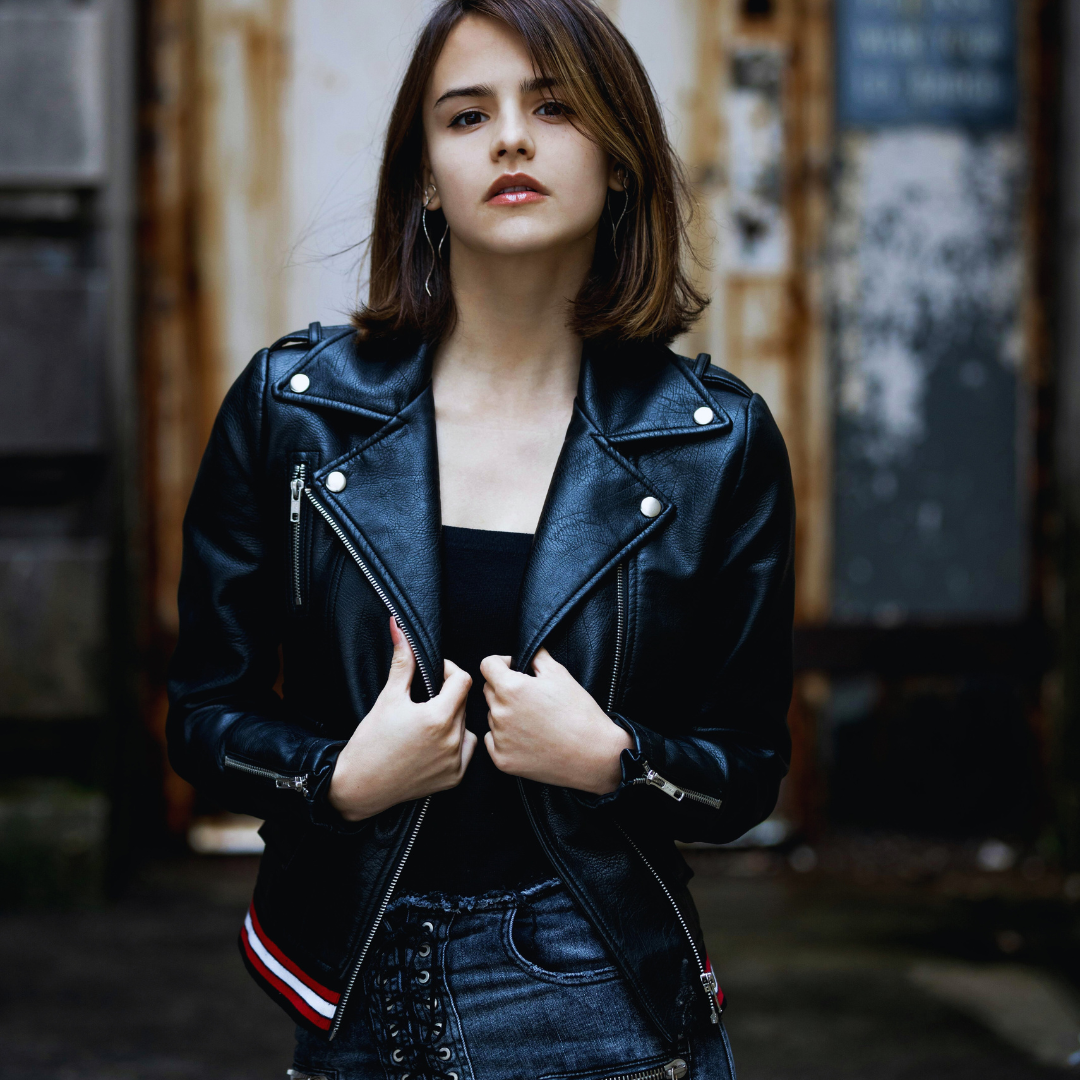
A statement jacket works by balancing bold design with wearability. It catches attention without overpowering the rest of the outfit, making the wearer stand out in a confident yet tasteful way. Choosing the right color, fit, and fabric is crucial to achieving this balance.
The jacket should reflect the wearer’s personality while complementing their existing wardrobe. Details like unique patterns, textures, or embellishments can make a strong impact if paired wisely with simpler pieces.
Overall, a statement jacket succeeds when it elevates the look and feels intentional rather than forced. Its power lies in subtle control, turning a key garment into the focal point without losing coherence.
Key Elements That Make a Statement Jacket Work
A statement jacket stands out by combining specific features that attract attention while complementing the wearer’s overall look. The balance between design details, color choices, and fit determines how effectively it transforms an outfit. Confidence in styling ultimately brings these elements together.
Defining Characteristics of Statement Jackets
Statement jackets typically include bold elements such as exaggerated shoulders, unique textures, or distinctive hardware. These features create originality without overwhelming the entire outfit.
Clean lines often frame the jacket’s shape, giving it a structured yet modern appearance. The jacket should feel purposeful and not cluttered with unnecessary details.
Materials like leather, brocade, or metallic fabrics often define a statement jacket, offering a tactile and visual contrast to simpler garments worn beneath.
Importance of Color, Pattern, and Texture
Color plays a vital role in making a statement jacket stand out. Bright colors such as red, cobalt blue, or emerald green are common choices that draw immediate attention.
Patterns like plaid, animal print, or abstract graphics add complexity but must be balanced with the rest of the outfit to avoid visual overload.
Texture variations—from smooth leathers to quilted or embroidered fabrics—enhance interest and create depth. The mix of textures should support the jacket’s boldness without clashing.
Selecting the Right Silhouette
A statement jacket’s silhouette can range from oversized to sharply tailored, depending on the wearer’s style goals.
Structured shapes with clean lines maintain sophistication, while a more voluminous cut offers drama and a modern edge.
Fit is essential; the jacket must complement the wearer’s body shape rather than masking it. Attention to shoulders, waist, and length influences how well the jacket integrates with the outfit.
Confidence and Attitude in Styling
Wearing a statement jacket requires confidence to carry bold outerwear without hesitation.
How one pairs the jacket—with minimalist trousers or simple tops—can either highlight or detract from its impact.
Posture and attitude affect the perception of the jacket. Those who embrace the statement often bring a composed demeanor, reinforcing the jacket’s role as a focal point.
How to Style a Statement Jacket with Different Outfits
A statement jacket works best when it complements the rest of the outfit without overwhelming it. Balancing bold colors or patterns with simple, well-chosen pieces is key to creating a cohesive look that highlights the jacket’s impact.
Pairing with Jeans and Trousers
Jeans provide a casual base for statement jackets. Dark or medium-wash denim pairs well with bright or patterned jackets, creating a relaxed yet stylish vibe. Slim or straight-leg jeans help maintain a streamlined silhouette.
Tailored trousers offer a more polished look. Neutral-colored trousers, such as black, gray, or beige, balance out louder jackets. Wide-legged or cropped trousers add modernity, but ensure the jacket fits well at the waist to avoid bulk.
For both jeans and trousers, keeping the bottom simple lets the jacket remain the focus. Avoid overly busy pants with patterns that compete against a statement jacket.
Elevating Basics: T-Shirts and Graphic Tees
Basic t-shirts provide a clean, minimal layer under a statement jacket. Solid colors, especially white, black, or muted tones, allow the jacket’s design to stand out.
Graphic tees add edge, but must be chosen carefully. Select graphics with subtle color palettes or minimalist designs to prevent clashing with bold jacket patterns.
Both t-shirts and graphic tees work well tucked into jeans or tailored trousers, emphasizing neat proportions. Layers remain lightweight to avoid bulk, maintaining the jacket as the centerpiece.
Layering with Turtlenecks and Sweaters
Turtlenecks add sophistication beneath statement jackets. Monochrome or neutral turtlenecks create contrast without distraction, ideal for cooler weather. Thin-knit options prevent too much volume under fitted jackets.
Chunky sweaters work with oversized or boxy statement jackets, but require balance. Slim bottoms and simple footwear often complement this look best.
Layering with turtlenecks or sweaters also affects neckline visibility. Choosing collars that don’t compete with jacket collars is important for clean styling.
Footwear Choices: Boots, Heels, and Loafers
Boots offer versatility and can be styled according to jacket type. Classic leather boots complement leather or structured jackets, while suede boots soften looks with fabric jackets.
Heels add dressiness and lengthen the silhouette, suiting statement jackets worn with tailored trousers or skirts. Pointed-toe heels in neutral shades keep the outfit balanced.
Loafers work well for casual or smart-casual outfits with statement jackets. Sleek loafers match well with tailored trousers and jeans, adding polish without drawing attention away from the jacket.
|
Footwear |
Best Paired With |
Effect |
|
Boots |
Leather/fabric jackets, jeans |
Adds toughness or softness |
|
Heels |
Tailored trousers, skirts |
Elevates and elongates |
|
Loafers |
Jeans, tailored trousers |
Smart-casual polish |
Balancing Proportion and Accessories
A statement jacket demands careful balance in proportion and accessory choices to avoid overwhelming the outfit. Structure, simplicity, and contrast in garment shapes work together to create a polished look.
Creating Structure with Tailoring and Clean Lines
Tailored pieces provide a strong foundation for statement jackets. Clean lines in trousers or skirts prevent visual clutter. A well-fitted jacket stands out best when paired with structured bottoms like tailored trousers.
Avoid overly loose or detailed pants when wearing a bold jacket to maintain balance. Sharp tailoring sharpens the silhouette, allowing the jacket’s details to command attention without competing with other shapes. This approach suits professional and casual looks alike.
Choosing Minimalist Accessories
Minimalist accessories prevent competing with a statement jacket’s visual impact. Small, simple jewelry and neutral shoes maintain focus on the jacket’s design.
Consider accessories in solid colors or subtle metals such as silver or gold. Avoid large bags or patterned scarves that add unnecessary complexity. Minimalism in accessories complements the clean lines of the overall outfit.
Playing with Proportion: Wide-Leg Trousers and Fitted Pieces
Pairing a statement jacket with wide-leg trousers emphasizes volume while preserving balance. The roomy silhouette of wide-leg pants contrasts with the jacket’s shape, creating intentional dimension.
Match wide-leg trousers with a fitted top or a jacket that tapers at the waist to avoid a bulky appearance. This combination highlights the jacket’s structure while embracing current trends. Fitted pieces underneath help maintain an elegant silhouette.
Best Types of Statement Jackets and Their Versatility
Statement jackets come in many styles that range from edgy to classic. Their appeal lies in how easily they can transform an outfit while fitting different occasions and seasons.
Bold Outerwear Styles: Leather, Denim, and More
Leather jackets are a staple bold outerwear choice. Their sleek look works well for both casual and semi-formal settings, offering durability and timeless style. Variations like moto or bomber styles add texture and edge without overwhelming an outfit.
Denim jackets add a rugged, casual feel and often serve as a versatile piece. Colored or embellished denim jackets stand out as statement pieces but remain adaptable for multiple looks.
Other bold options include printed blazers, oversized coats, and tailored parkas that offer statement impact through structure and unique design details.
The Role of the Denim Jacket
The denim jacket is often the go-to for a statement jacket due to its shape and adaptability. It pairs well with almost any casual or smart-casual outfit and suits various body types.
Its durability and timeless appeal allow it to remain relevant across fashion trends. Styled with graphic tees or layered over dresses, the denim jacket balances boldness without dominating the overall look.
Customizations like patches, distressing, or embroidery can elevate a denim jacket to a personalized statement piece. This versatility makes it a reliable option for different wardrobe needs.
Transitioning Statement Jackets Across Seasons
Statement jackets can be worn year-round by choosing materials and layers appropriately. Lightweight options like denim or cotton blends are ideal for spring and fall.
For colder months, leather and wool blends offer warmth while maintaining style. Layering thin separates underneath these jackets adds comfort and flexibility.
Colors and finishes also influence seasonal wear. Darker tones work well in winter, while lighter hues or distressed finishes fit warmer seasons. This adaptability increases the jacket’s use throughout the year.