
Caring for clothes properly can significantly extend their lifespan and keep them looking better longer. Simple changes in how garments are washed, dried, and stored make a big difference.
The key to making clothes last is consistent, gentle care that protects fabric fibers from damage. This means avoiding harsh detergents, using the correct washing settings, and handling stains carefully.
By following a few practical tips, anyone can reduce wear and tear on their wardrobe. This not only saves money but also reduces waste over time.
Fundamental Practices for Prolonging Clothing Lifespan
Proper care relies on knowing the fabric, following specific guidelines, and making style choices that reduce unnecessary purchases. These strategies align with sustainable and slow fashion principles while resisting the cycle of fast fashion.
Understanding Fabric Types and Quality
Different fabrics require distinct care to maintain durability. Natural fibers like cotton and wool breathe well but can shrink or felt if washed incorrectly. Synthetic fibers such as polyester are more resistant to wrinkles and shrinking, but may degrade under high heat.
Higher-quality fabrics often last longer because of tighter weaves and better fibers. Investing in these supports slow fashion ideals, promoting durability over quantity.
Knowing the fiber content helps select proper washing settings, drying methods, and storage. For example, delicate fabrics like silk need gentle handling, while denim can tolerate more robust care.
Reading and Following Care Labels
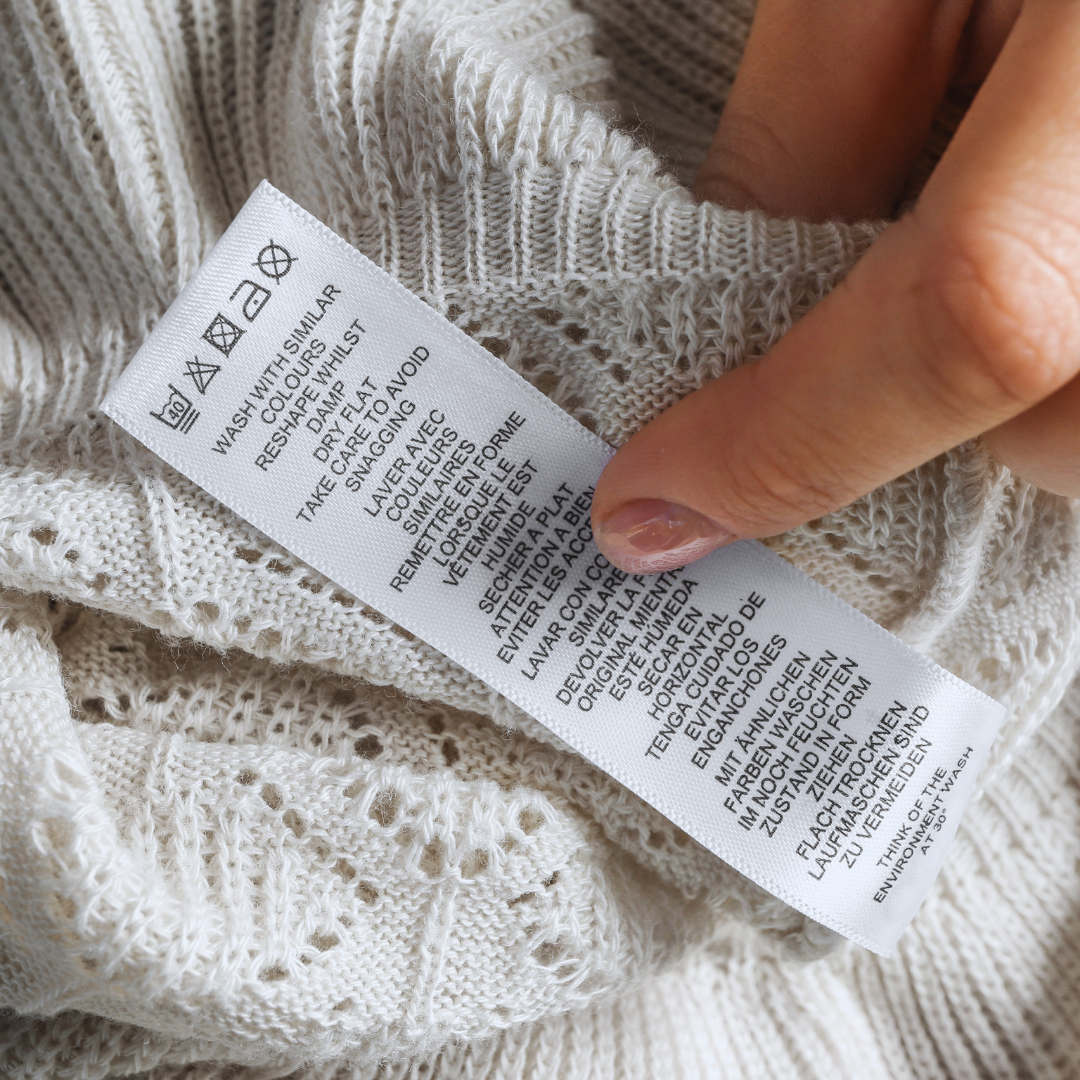
Care labels provide essential, manufacturer-tested instructions for washing, drying, ironing, and bleaching. Ignoring these can lead to fading, shrinking, or fabric damage.
Labels use standardized symbols to communicate care, such as a specific temperature for washing or a warning to avoid bleach. Learning these symbols ensures clothes are treated appropriately.
Adhering strictly to these guidelines helps preserve color and shape. It also prevents premature fabric wear and supports longer use, reducing reliance on fast fashion replacement cycles.
Establishing a Personal Style to Avoid Impulse Replacements
A clear personal style reduces impulsive buys that clutter a wardrobe with underused pieces. By choosing versatile, timeless items, one limits waste and aligns with slow and sustainable fashion values.
When people focus on style coherence, they invest in quality over quantity. This approach encourages careful maintenance, as garments form the foundation of their look.
Maintaining fewer but well-loved items means clothes undergo less wear and tear from excessive use, extending overall lifespan and minimizing environmental impact.
Smart Washing and Handling Techniques
Effective washing and handling methods extend the life of clothes by reducing wear and maintaining fabric quality. Paying attention to wash frequency, detergent selection, laundry sorting, and stain treatment ensures clothes remain in good condition longer.
Washing Clothes Less Frequently
Washing clothes too often accelerates fabric wear and color fading. It is best to wash garments only when visibly dirty or after several wears, particularly for items like jeans, sweaters, and outerwear. Air drying clothes can refresh them without washing.
Using a fabric shaver or lint roller can help remove pills and keep garments looking newer between washes. Heavily soiled items or undergarments require more regular washing, but everyday tops and pants generally benefit from less frequent laundering.
Choosing Gentle and Eco-Friendly Detergents
Gentle detergents with mild formulas prevent fabric damage and preserve fibers. Eco-friendly detergents avoid harsh chemicals and often include biodegradable ingredients, making them better for sensitive fabrics and the environment.
Adding a detergent booster can improve cleaning power in cold water, reducing the need for hot washes that strain fabrics. Avoid detergent overload, as residue buildup can stiffen clothes and cause irritation. It is important to follow dosing instructions carefully to preserve garment quality.
Sorting Laundry by Color and Fabric
Sorting laundry prevents color bleeding and fabric roughness. Separate whites, darks, and bright colors before washing. Delicate fabrics such as silk and wool require a separate, gentle cycle.
Grouping clothes by fabric weight also protects lighter materials from damage caused by heavier, abrasive items. Machine washes work best when loads are balanced in weight and fabric type to maintain consistent agitation and prevent tangling or stretching.
Proper Stain Removal Methods
Treat stains promptly to avoid permanent damage. Blot excess liquid gently without rubbing, which can embed the stain deeper. Different stains require different treatments—for example, cold water works for blood stains, while grease requires oil-based stain removers.
Using AI-powered stain removal apps can help identify stain types and suggest effective remedies. Always test any stain remover on a hidden area first to avoid discoloration or fabric weakening. For delicate fabrics, hand washing with a mild detergent is preferred.
Optimal Drying and Storage Solutions
Proper drying and storage techniques prevent damage, maintain shape, and protect fabrics from pests and odors. Using the right tools and methods helps extend the life of clothing effectively.
Air Drying Using Racks and Clotheslines
Air drying is gentler on fabrics than machine drying and reduces wear caused by heat and tumbling. A drying rack indoors allows clothes to dry flat or hung without stretching, especially knitwear and delicate items.
When using a clothesline outdoors, avoid direct sunlight for extended periods to prevent fading. Slightly shaking garments before hanging helps reduce wrinkles. Dryer balls can be placed near drying racks to absorb moisture and speed drying times.
Storing Clothes with Care
Proper storage preserves fabric quality and prevents damage from moisture and pests. Folding heavier sweaters and knits avoids stretching the shoulder areas. Hanging shirts and dresses on sturdy, shaped hangers maintains form and reduces creases.
Storage areas should be cool, dry, and well-ventilated. Adding cedar blocks or lavender sachets to drawers or wardrobes deters moths and keeps clothes smelling fresh. Avoid overcrowding to prevent wrinkles and fabric stress.
Protecting Clothing with Garment Bags and Accessories
Garment bags shield clothes from dust, insects, and environmental damage during long-term storage. Canvas garment bags offer breathability, reducing moisture buildup compared to plastic alternatives.
Delicate clothing, like suits or dresses, benefits from being stored in these bags. For seasonal items, including cedar blocks inside bags helps maintain freshness and repels pests. Accessories like padded hangers also protect garment shape and fabric integrity during storage.
Maintaining Longevity and Embracing Sustainability
Proper care and thoughtful choices can significantly extend the lifespan of clothes while reducing environmental impact. Repairing garments, avoiding fast fashion, and shifting to sustainable clothing options all play integral roles in preserving materials and supporting more responsible consumer habits.
Repairing and Reviving Garments
Repairing clothes promptly prevents small issues like loose buttons, minor tears, or worn seams from becoming bigger problems. Simple repairs such as sewing, patching, or reattaching buttons can extend a garment’s usability by months or years.
Reviving clothes through techniques like washing with gentle detergents, using fabric fresheners, or removing stains effectively also preserves texture and color. Investing time in mending reduces the need for premature replacement, promoting sustainability by lessening waste.
Minimizing Fast Fashion Impact
Fast fashion contributes to rapid clothing turnover and environmental harm. Choosing to buy less frequently and focusing on quality over quantity helps clothes last longer and lowers consumption.
Prioritizing brands with transparent production methods and sustainable sourcing encourages responsible practices. Consumers should avoid impulse purchases driven by trends and instead select versatile pieces with durable fabrics to enhance longevity.
Transitioning to Sustainable Clothing Choices
Opting for garments made from organic, recycled, or biodegradable materials supports sustainability goals. Sustainable clothing often features stronger construction and eco-friendly dyes, contributing to prolonged wear.
Thorough research on brands’ sustainability certifications and labor ethics can guide better purchases. Gradually replacing fast fashion items with durable, well-made alternatives leads to a wardrobe that is both practical and environmentally considerate.